
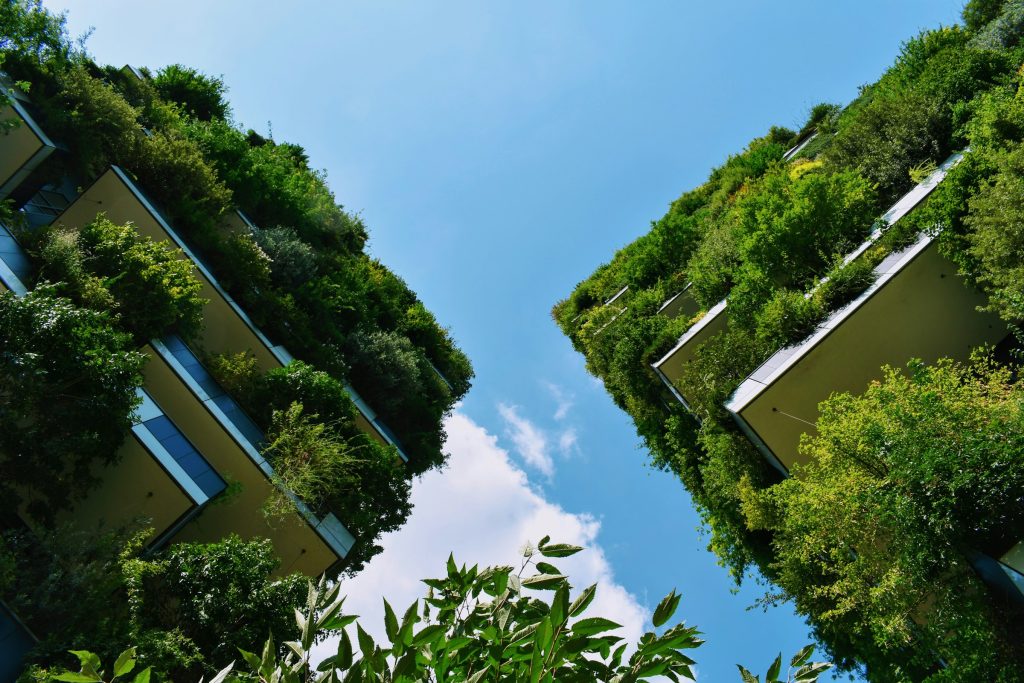
More than 55% of the world’s population live in urban areas. The proportion is expected to hit 68% by 2050. Yet cities occupy less than 3% of the Earth’s land area. You don’t need AI visualizers to show you the reality. Just by using a small fraction of the neurons in your brain you can imagine the amount of pressure housing half the world’s population puts on such a small area of the land. You don’t even need to imagine because for most of you all reading this article such is the reality. The result – grey, grey everywhere, nor any speck of green to see! There is no room for nature in the city. If you are still not convinced, why not just detach your eyes from the screen for a while and look out of the window? You shall see it.
What can one expect from a population that has lived a major chunk of its life crammed in concrete boxes, walking on flat stony pavements, riding on heaving metal giants, breathing in pungent smelling air, looking out of glassy windows at smoggy vanilla skies, eating frozen meals out of tin cans and knowing the sharp perfume of a pink bath soap as the smell of a rose?
Does this caged man know the taste of freedom in living under the great blue sky, or the feel of grass under the feet, or about the charm in plodding up and down a hill, or the smell of fresh spring air, or the excitement of beholding rain clouds, or the comfort of fresh home cooked meals or the sweet smell of the rose?
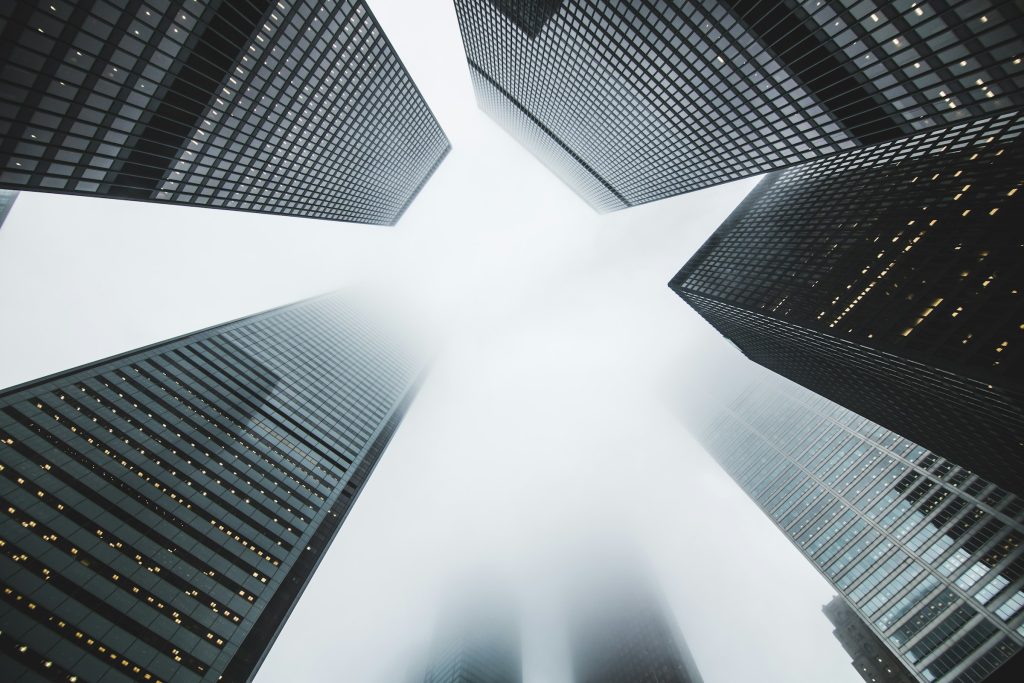
He doesn’t know about any of it because he has lived a life detached from nature. The very nature to which he belongs is cordoned off from his city premises. He has grown up watching animals on television. His child on the other hand knows that anything other than the neighbour’s pet dog and cat walking on four or more legs are aliens.
Yet, the choices made by this very “unconscious” majority determines the ecological health of this planet. While cities may encompass only some 3% of the Earth’s land area their ecological footprint spread far and wide, accounting for 75% of natural resources consumed, 80% of energy, 70% of greenhouse gas emissions and 50% waste generation. And because the support system of urban dwellers is physically detached from them, the “out of sight, out of mind” paradigm is at play here. City dwellers are unaware and hence unfeeling towards the grim ecological consequences of the choices they make. They are oblivious of the high price of the ecological services provided by the biosphere which they seem to enjoy for free. It is difficult for them to connect the dots. It is hard for them to interpret how for every packet of palm oil they buy at the supermarket acres of rainforest in Borneo get felled. The detachment between the biosphere and the urban human is the root cause for this callous attitude towards the planet.
It is only when extreme weather events, climate change, natural calamities, food scarcity, high prices of basic commodities, energy crisis and novel diseases hit the city streets that the urban man suddenly becomes “conscious” of all the changes that have stayed obscured from his vision for so long.
Such is the nature of man – unless it happens to you it simply doesn’t exist. So, all this tiring talk on ecological consciousness and jargon on climate change will make no sense to him unless he faces the crisis in first person. Till then, it is probably too late already.
But is there a way to reverse this careless attitude? Is there any procedure to reclaim the “conscious mindset” before nature becomes a fiction for the city dweller?
There is but one way – BRINGING NATURE INTO OUR CITIES.
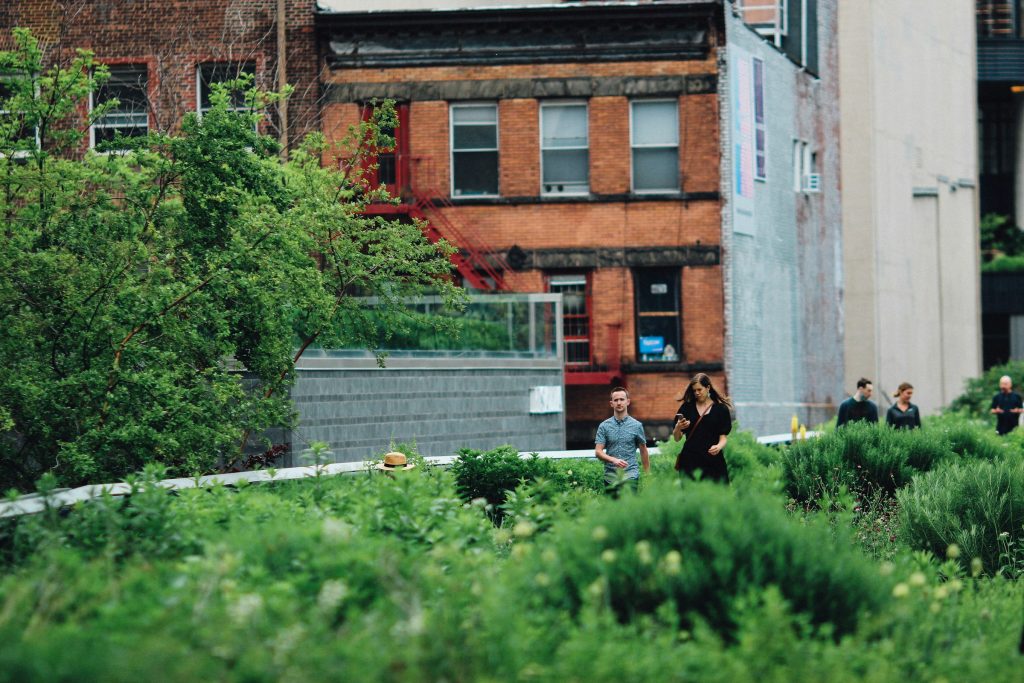
Once the city dweller has access to nature just a yard away, he is bound to interact with it. Interactions proceed into awareness and awareness into relationships and relationships into love. And one is bound to protect what one loves.
Simply uttering the word ‘nature’ to our children would not evoke eco-consciousness in them. We need to give them a foundation to help them build their imaginations on. A child who has grown up seeing only concrete buildings and playing with plastic toys and plushies cannot imagine nature because there is no substrate for the concept to grow on in his or her immediate surroundings. The city kid wouldn’t know the thrill of gently collecting wild cocoons from plants and then rearing them until delicate butterflies breaks the cocoon open and peeks out – nor can this child feel the joy of setting them free into a flower garden. Making your kids watch National Geographic and Animal Planet helps but there is nothing like the experience one gains from employing all the five senses given to us. Such exercises only happen when one is in direct physical contact with a natural space and this is where the surrounding environment has an important role to play. We need to change the urban environment and transform it from the lifeless inanimate enclosure that it is to a living breathing green space that can interact with its inhabitants.
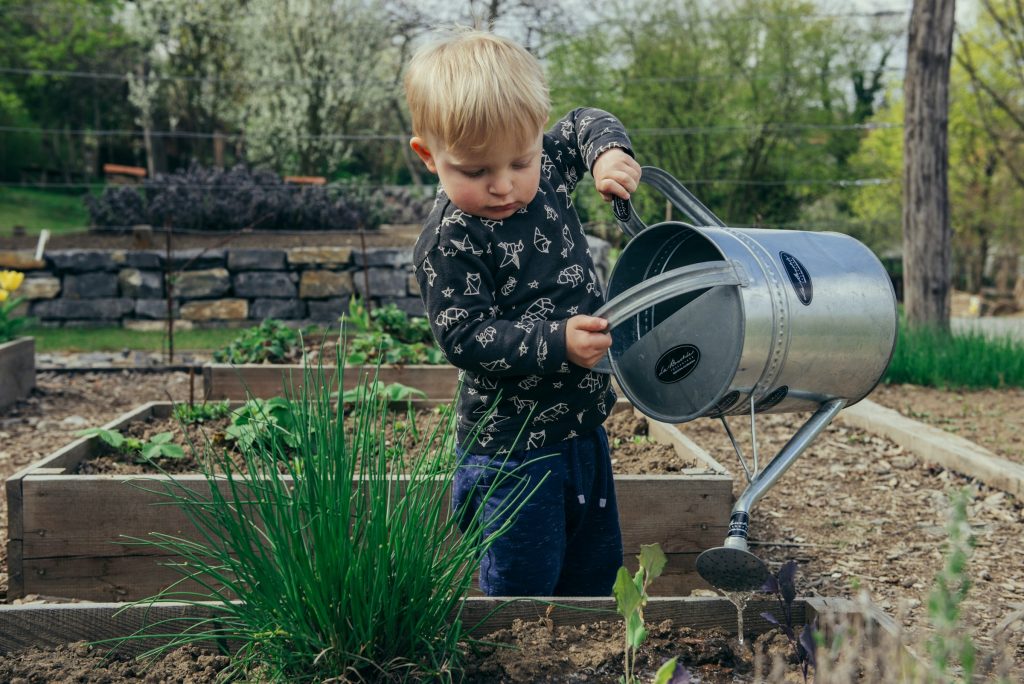
Other than air and water, food is the most vital ingredient to sustain life. How many of us are actually conscious of the food we eat? Even our garlic comes peeled and chopped and packed in plastic! We don’t know half the ingredients that goes in to make our soup blocks or the location of the farm from where our frozen chicken breast gets sourced. The fruits we buy from the supermarket comes in tiny dresses. We don’t even know what chemicals are used to make our store-bought vegetables so plump and glossy. And if that is not enough, we order meals and fill our mouths like an automaton while binge watching our favourite shows. We wouldn’t mind consuming some tasty non-food material (if any clever industrialist has already thought of this idea to tackle the upcoming food crisis good for him!), when our eyes are fixed on the screen.
You don’t need to grow a whole garden. Just a single plant is enough to make you understand the intricacies of the art of cultivation. When you plant a crop, you realise that it needs healthy soil to grow and fresh water to stay alive. Then when it starts to flower you realise that it needs pollinators to set fruit. Then some years it won’t flower because of bad weather or flower earlier because of climate change. Other times it will show signs of disease or deficiency. Sometimes it will give healthy fruits, other times the fruits will be deformed from pest infestation. But if you go through the whole process, you shall know that the food on your table is not manufactured in factories but there are nature’s hard work and human labour behind each grain. You will also understand the role of biodiversity and ecosystem function on your own health and the health of the planet. Only then you shall actually interpret the urgency in the voices behind all the tabloids that seem to scream monotonously about climate change and biodiversity loss.
It is this very interaction that forms the basis for developing eco-consciousness. The moment this sentiment grows you will think twice before swatting that wasp that visits your house occasionally browsing through the rooms. You might even allow that weed growing in the cracked plaster on your doorstep to spread its roots or let mosses grow wild on the boundary walls instead of scraping them off.
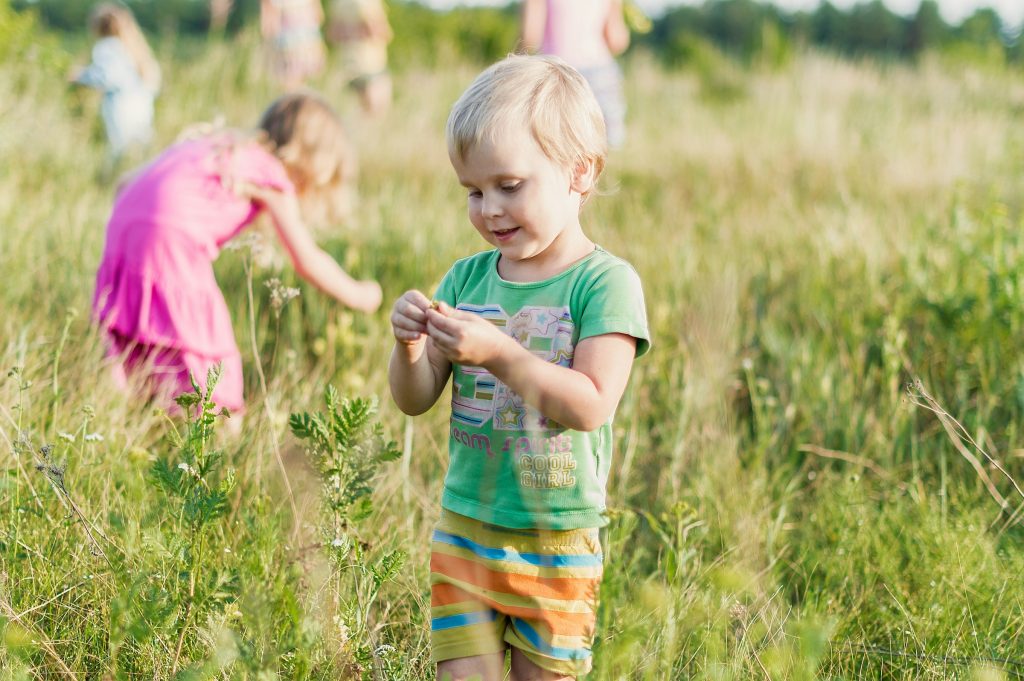
Once you become conscious of all the ecological problems of the planet you shall calculate the impact every action you take creates on the system. You might swap your air conditioner for a green roof on your house and get more warm garments instead of a room heater. You might even learn to control your urges better – like subduing your cravings for an expensive exotic fruit that travels all the way across the world to reach the supermarket in your town and opt for a locally grown tasty native fruit that is in season.
Studies have shown that spending even as less as a few minutes in nature can reduce your stress levels by a huge amount. Nature and greenery can improve mental well-being, eyesight, immune function, reduce anxiety, pain and blood pressure. Most of our modern ailments arise from our disconnectedness from nature and our stressful modern urban lifestyle.
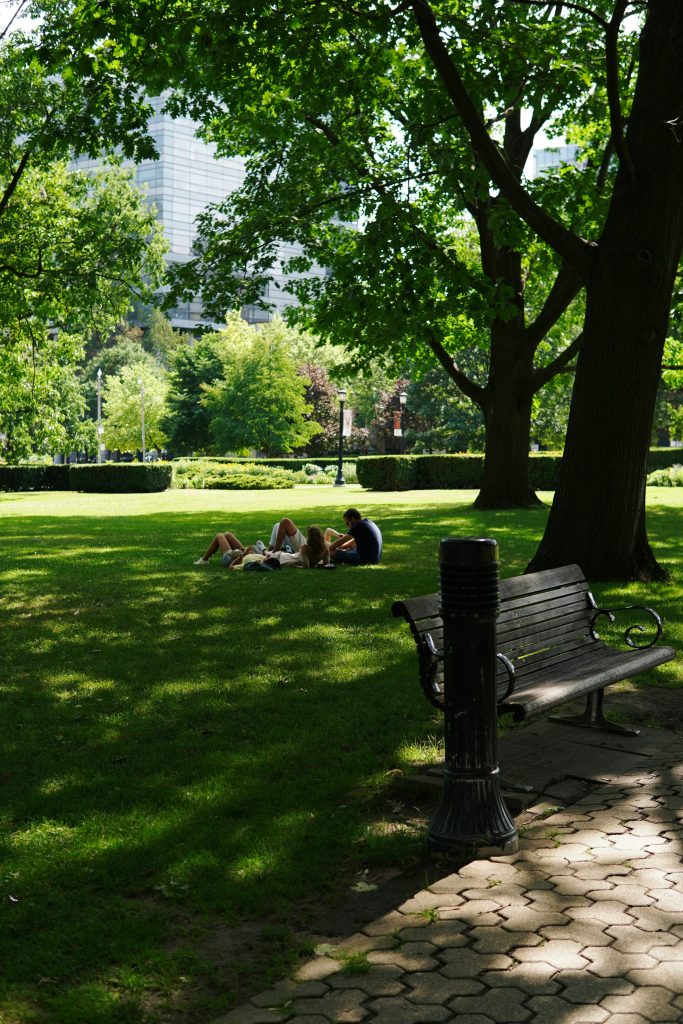
By greening our cities and bringing nature back into our spaces we can solve a multitude of problems.
- Restore urban biodiversity.
- Increase ecosystem services.
- Reduce air pollution and freshen up the air we breathe in.
- Reduce the urban heat island effect.
- By reducing the area of impervious surfaces, we help capture more rainwater thus helping in replenishing our groundwater.
- Green roofs will cut down on energy costs for maintaining cooler ambient temperatures.
- Urban wetlands and green spaces help with watershed maintenance filtering water naturally, boosting the supply of fresh water hence cutting down costs of water filtration. Well-designed wetlands can treat the city’s sewage load biologically before releasing them into natural water bodies.
- Community gardens, rooftop and backyard gardens can supply a steady source of locally grown organic produce for consumption. Cities would have to depend less on sourcing their food from distant areas cutting down on transportation costs and vehicle pollution.
- Nature walks and bicycle lanes can promote walking and cycling among citizens to travel in city premises reducing vehicular pollution and fuel expenditure.
- Composting and use of eco-friendly products can help reduce the amount of waste produced by the city preventing loads from being sent out for landfill.
- Interaction with nature can improve mental health and help us adopt a slower pace of life.
- Engaging in nature activities can keep children occupied and away from electronic gadgets, promote a healthy brain development and equip them with knowledge that will help them live a better life and create more eco-conscious citizens for the future of our planet.
- Connection with nature will automatically draw us away from materialistic pursuits, imparting a pleasant sense of fulfillment so that we may ultimately learn to accept that “less is more”.
- And finally reverse climate change restoring our planet to its former health.
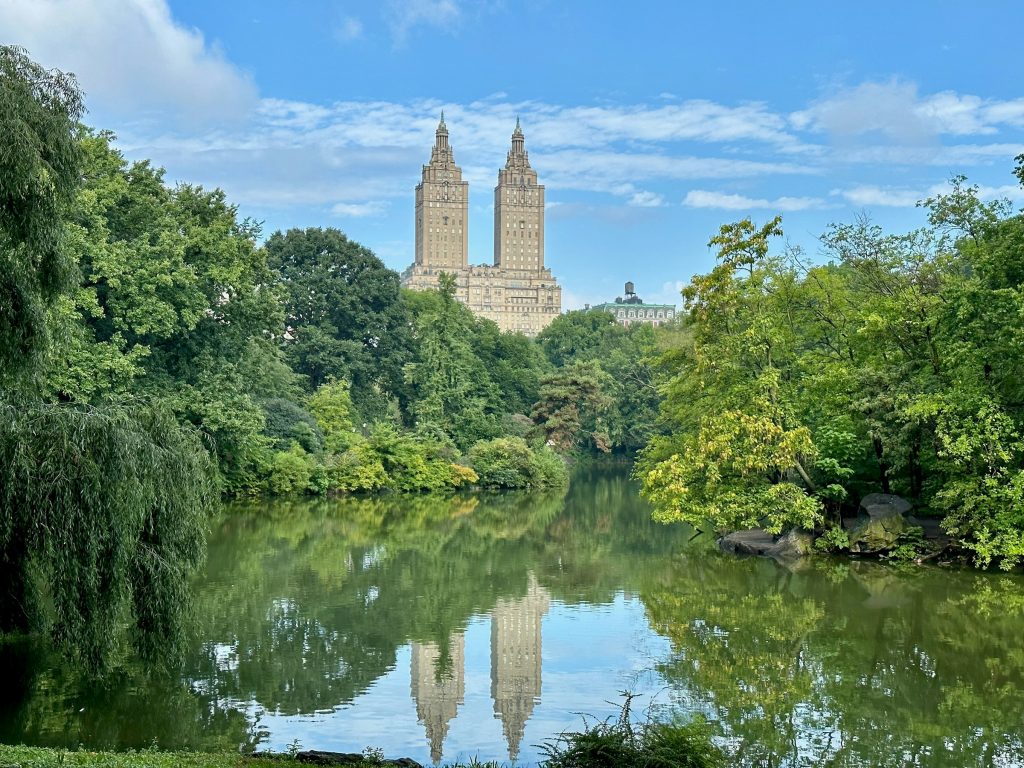
Future endeavours should focus more on the various ways how the biosphere can be connected to the city. We must realise that we are not isolated from nature but very much an integral part of it. Our cities are designed in a way to isolate us from nature and keep us cooped up in a materialistic world birthed out of a profit-making mindset. But we must build to connect with nature again. Only when our sense of self includes all the elements that goes in to make this “self” can we develop a conscious mindset that encompasses the whole biosphere. Feeling one with nature is the first step in developing eco-consciousness and to develop this sense of oneness among urban residents it is necessary to bring nature into our cities.