
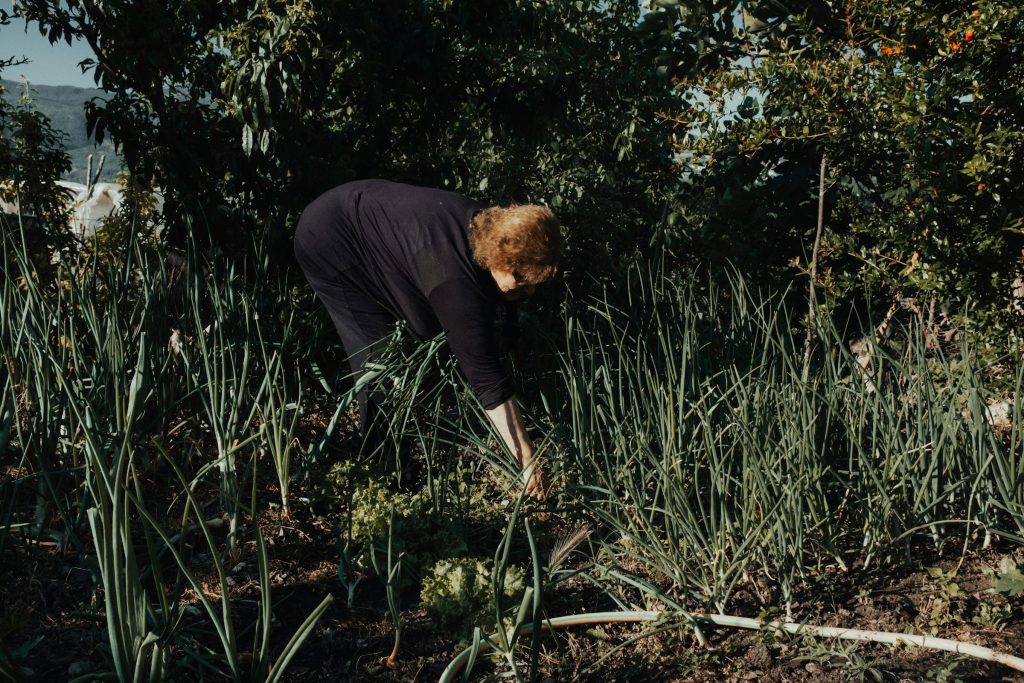
Be it any time of the year, planting some greens in your garden is always in season. While you probably have squeezed in a few varieties of plants in your little backyard garden to save space you may not have known that you have been companion planting. Yes, that is correct, companion planting is a well recognized agricultural practice and you may have knowingly or unknowingly incorporated companion planting in your gardening routine.
While most rules of companion planting originate from generations of observation and practice by our ancestors there is however a scientific way of doing it. In fact, companion planting is an important topic for scientific research and studies have yielded results in support of companion planting. However, simply throwing in a couple of plant varieties next to one another in your garden is not the correct way of doing companion planting. Just like with people, plants have compatibility issues too – some plants can be friends while some are either enemies or competitors that do more damage than help. So, you should choose neighbours for your precious plants very carefully just like you would do for yourself.
But how do you understand which plants can be good companions so that you could achieve a friendly and harmonious plant colony right in your backyard? Well, just as I said earlier, research has found plenty of data to guide your companion planting decisions and many of them are already in practice – well and running.
I mention again here that only scientifically backed plant combinations should be opted for because there is numerous misinformation on the internet regarding companion planting. Let me give you an example: The Japanese beetles are a pesky pest on rose plants and several sources suggest that companion plants with strong odour acts as a repellent for this beetle. However, one study tested several of the suggested companion plant species and found that most of them seemed to increase the pest load on roses. Why? It seems like the Japanese beetles are attracted more to combinations of different plant odours (volatile organic compounds) in comparison to the odour of rose alone. Geraniums were a common companion plant for roses as their pungent odour was known to repel the Japanese beetle, but it proved otherwise and more of them ended up getting attracted to the roses. Companion planting can be tricky business!
If you are looking for a scientifically backed companion planting guide for your garden you have come to the right place. For, very soon in this article I am going to discuss my research haul from hordes of scientific publications focusing on companion planting. After reading this article you shall be equipped with the information and the background logic behind every beneficial plant partnership in companion planting and why they work. This shall help you to do your own research in the future and incorporate the knowledge into choosing the perfect combination of companion plants to achieve the desired result for your garden.
What is Companion Planting?
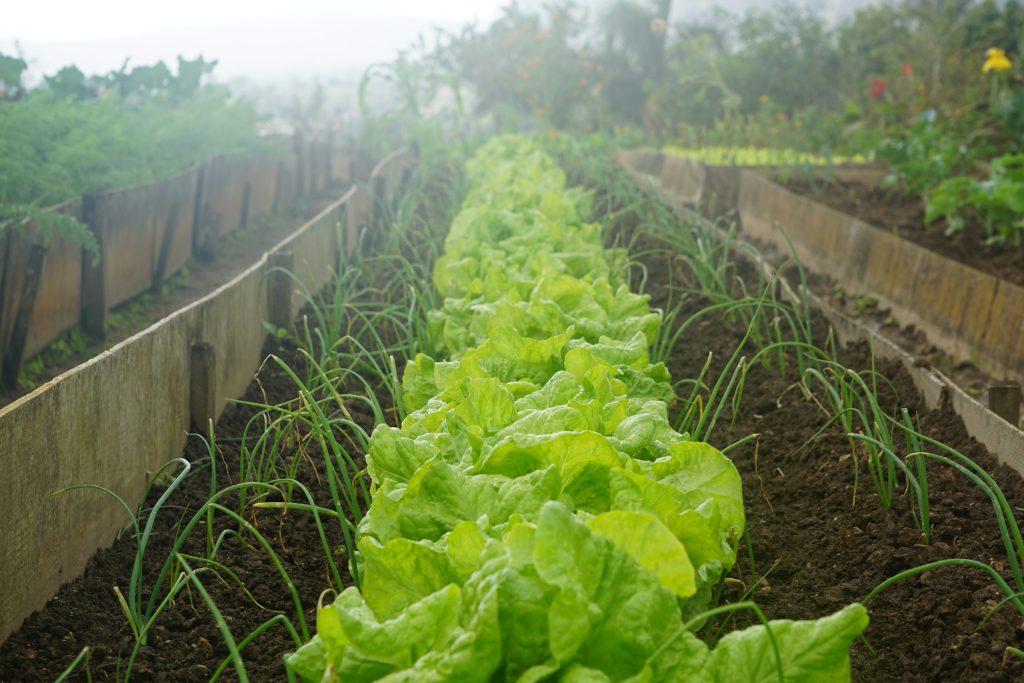
Companion planting is defined as growing two or more plants or crops in close proximity to one another where the presence of one enhances the growth and development of the other and vice versa. Plant growth, development and ultimately yield can be improved by increased pollination, pest aversion, enhanced water and nutrient uptake, nitrogen fixation, physical support for growth, beneficial plant-insect interactions and maintenance of an optimum environment for the plant. Good companion plants can enhance one or some of the above-mentioned functions and improve the overall functioning of the ecosystem.
Companion planting takes inspiration from nature and strives to achieve the ecological complexity and beneficial mutual relationships characteristic of pristine biodiverse ecosystems. Companion planting in the modern agricultural setting helps to avert some of the downsides and weak areas of monoculture farms like easy pest breakout, deteriorating soil health and nutrient deficiency, rampant pesticide and weedicide application, need of beekeeping for pollination services, and construction of elaborate farm architecture. Besides, companion planting opens an extra source of income for small scale farmers and allows urban home gardeners to diversify their range of organic produce utilizing the limited space available.
Benefits of Companion Planting
We will be considering all the benefits of companion planting each one backed with scientific evidence. So, hold tight and keep reading!
1. Companion Planting enhances Pollination
Flowering plants that are attractive to pollinators are a good addition to a plot where the focus crop is also pollinator dependent. About 75% of food crops and 90% of all plants are dependent on insect pollinators which makes pollination such an important ecosystem service.
Bees being a very efficient pollinator, planting bee-friendly plants near target crops can enhance pollination of both plants due to the spillover effect. The spillover effect is a phenomenon where the beneficial influence (or bad influence) brought by the presence of one companion spreads to its neighbours so that even they can reap its benefits (or worse, suffer!). Here, the companion plant attracts pollinators which visits its flowers for nectar and pollen, also visiting the neighbour pollinating its flowers in its turn. But, it is important that both the companion plants flower at the same time. Only then can the beneficial influence take effect.
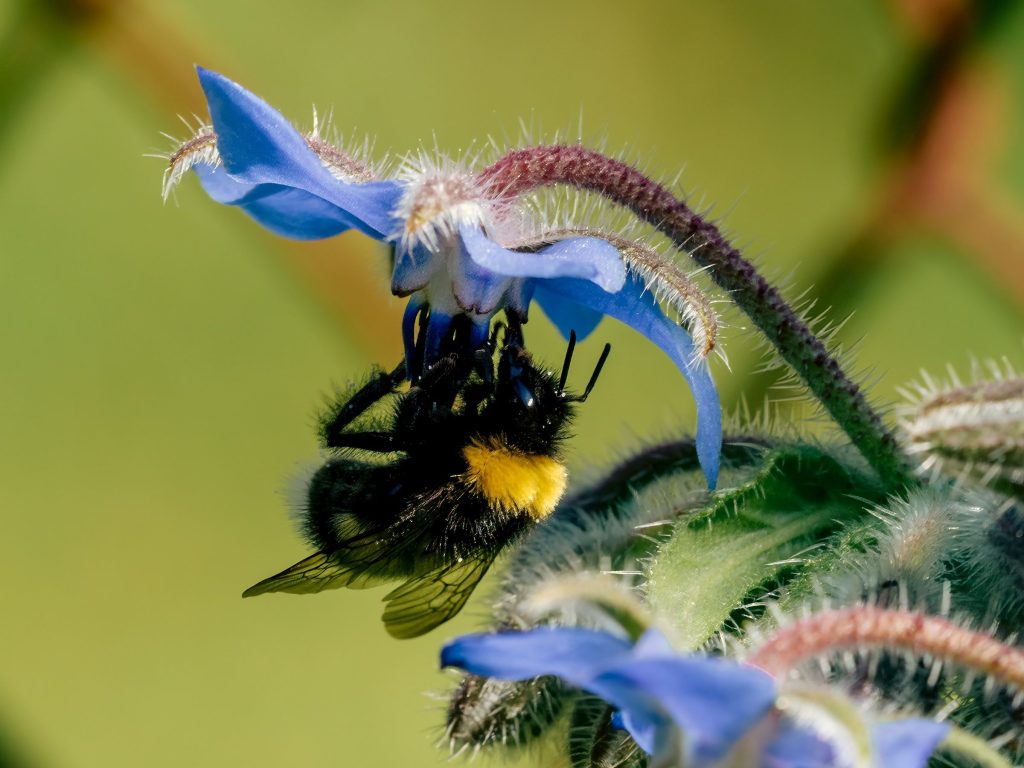
A study in the UK found that planting borage alongside strawberries enhances pollinator visits resulting in higher yield of strawberries (35% higher yield by number of fruits and 32% higher yield by weight). Another study had found that strawberries grown near wildflower strips received 25% more pollinator visits compared to controls.
However, it has also been found that highly pollinator-attractive flowering plants tend to draw attention of pollinators away from the target plant resulting in lower pollination. So, pairs should be chosen carefully.
2. Companion Planting keeps away pests
A variety of mechanisms may work where companion planting with the appropriate plant species keep pests on the target crop at bay. Pests employ visual, olfactory and tactile cues to identify and select host plants. Companion planting exploits these same senses to confuse pests and divert their attention from the target crop to the companion plant.
One of the procedures is trap cropping in which non-crop plants are interspersed among the target crop or planted along the field boundary. These are plants that the pest in question prefer over the target crop and are thus drawn towards them. It helps keep the pest’s attention away from the target crop hence saving them from damage. The trap crop bears the brunt of feeding, oviposition, pathogen load and other such assaults from the pests.
Companion plants control pests by a secondary mechanism – by acting as a refuge for natural enemies of pests. Harbouring natural enemies of pests, they keep pest populations under control by turning the habitat into a population sink for them. Plants release volatile compounds called semiochemicals when under herbivore attack, attracting natural enemies of pest species to the damaged plant. Predators and parasites of the pest flock to the trap crop on receiving the signal and the pests meet a dead end before they can complete their life cycle.
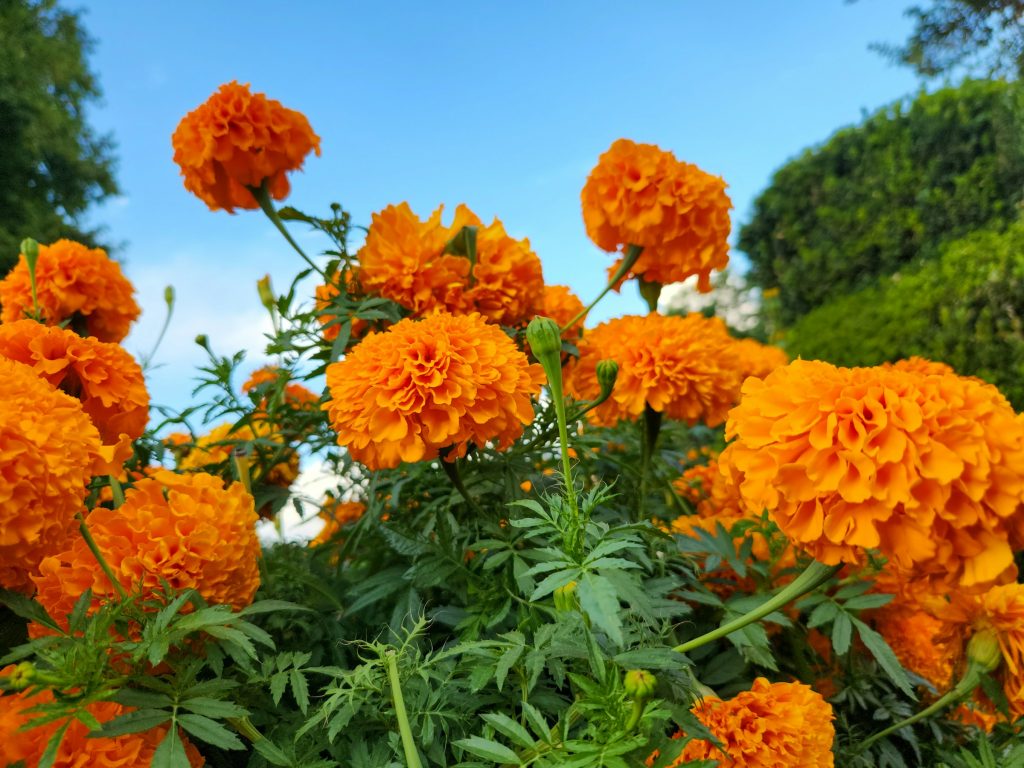

Marigolds and sunflowers are common companion plants used to manage pests on target crops
Such precise biological pest control systems eliminate the need for pesticides, giving us a healthy and organic produce in return. Integrating companion plants that attract both pests and their natural enemies can serve a dual purpose in pest control. For example, borage (Borago officinalis) can attract both aphids (pest) and its natural enemies, a parasitoid (Aphidius colemani) and a predator (Chrysopidae), hence effectively controlling the aphids which are notorious pests on many crops.
Combining different trap crops have proven more effective than relying on a single trap crop. A study in Finland showed that planting marigolds, sunflower, rapes and Chinese cabbage along with cauliflower successfully suppressed the rape blossom beetle population. A combination of sunflower and grain sorghum can control the growth of brown marmorated stink bugs on bell peppers.
Sometimes native plants naturally growing at a place may be better companion plants than any particular selected species of companion plant. Native plants are adapted to the ecology and climatic demands of a region. Allowing native plant species to flourish without killing them off with weedicides seems to be a more economical approach for small-scale farmers than buying expensive exotic varieties for companion planting.
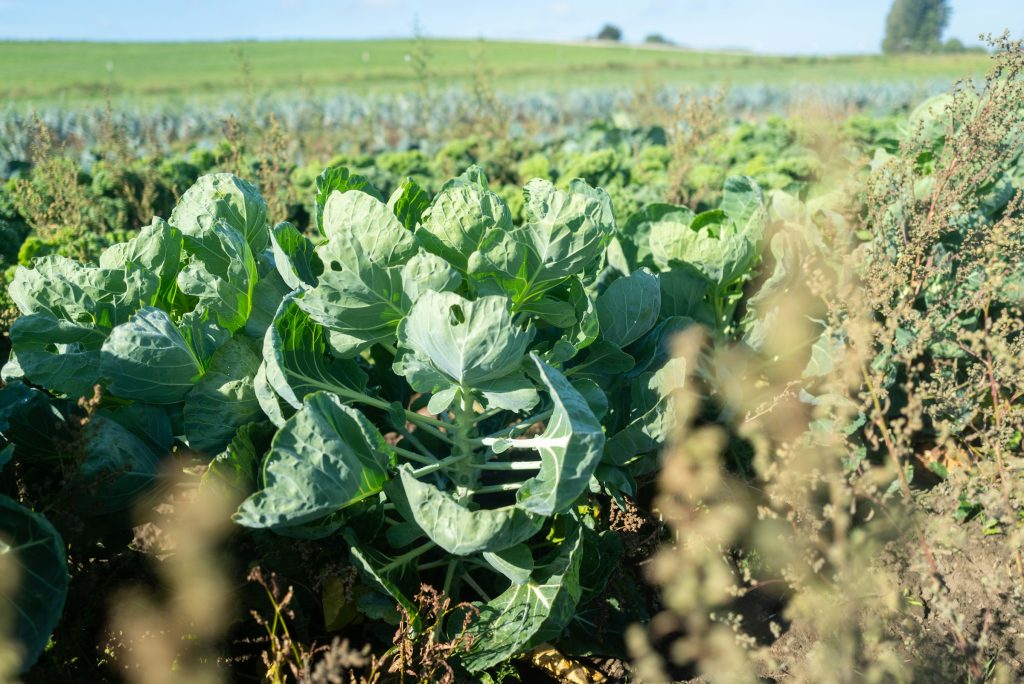
3. Companion planting enhances soil nitrogen content
Most of us know of the beneficial roles of leguminous plants like peas, beans, alfalfa and clover in enhancing soil nitrogen content by harbouring nitrogen fixing bacteria in their root nodules. Nitrogen is a major component of proteins – the building block of life, and plants cannot survive without nitrogen. These nitrogen fixing bacteria, mostly Rhizobium, form symbiotic associations with leguminous plants converting atmospheric nitrogen (N2) into ammonia (NH3), the biologically usable form of the element. This fixed nitrogen is released into the soil by leakage or when the bacteria die making it available for uptake by other plants.
For the maximum amount of nitrogen to be retained into the soil the whole plant residue should be left to decompose. A huge percentage of fixed nitrogen is removed from the field when grains are harvested (the nitrogen we consume as high-protein containing nuts and seeds!).
Peanuts, soybeans, cowpeas and fava beans are highly efficient nitrogen fixers. Forage crops like alfalfa and clovers can fix as much nitrogen as 250-500 lb/acre.
Lupins or bluebonnets are good nitrogen fixers and having colourful conspicuous flowers adds another feather of merit to its cap. They serve dual purposes of pollinator attraction and nitrogen fixation.
Inga plants are used as companion plants for coffee, and they are highly efficient nitrogen fixers. But besides nitrogen fixation inga plants have external nectaries that attract insects which are natural enemies of coffee leaf miners and have been shown to significantly reduce leaf damage in coffee plants.
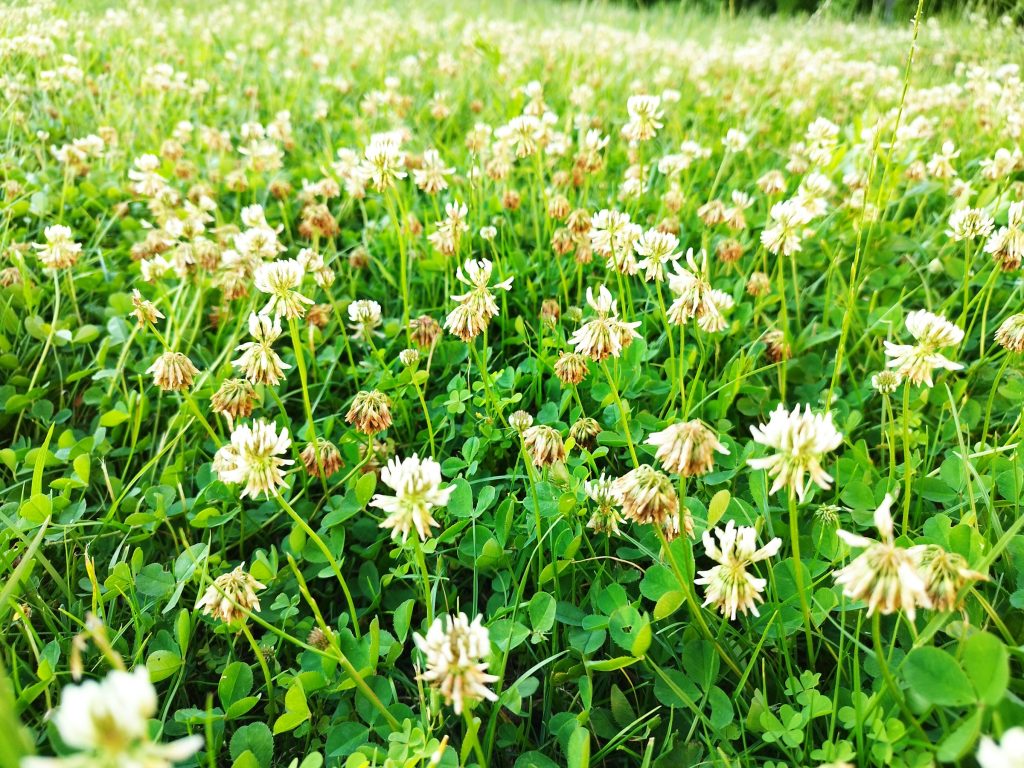
4. Companion planting enhances soil microbial community, improves soil structure and increases soil water retention
The soil microbiota plays an important role in improving soil health. Their enzymatic activities make various nutrients available for uptake by plant roots which enhances their growth and yield. For example, wheat when companion planted with watermelon showed enhanced soil microbiota and soil enzyme activities which improved soil health, increasing growth of watermelons.
Using cover crops prevents soil runoff during rains allowing the water to percolate slowly into the soil. Soils with cover crops retain more water than bare soils. Companion planting with cover crops adds biomass to the soil. The roots hold the topsoil improving soil structure. Roots of certain plants harbour beneficial soil bacteria that enhances soil organic content and also makes nutrients biologically available to plants.
5. Companion planting enhances phosphorous uptake by crops
Phosphorous is an essential element for plant survival (being the backbone of the DNA structure) and hence a limiting factor for growth. Most of the phosphorous present in soil is not freely available and plants must depend on microbes to make the phosphorous available to them in a form which can be easily taken up by their roots. Some of these microbes are naturally present in the soil, others are harboured by roots of certain plants. Companion planting with such plants enables the phosphorous locked in the soil to be freed up for usage by the target crop.
Mycorrhizae are fungi that mutually associate with plant roots. By increasing the surface area of roots through its large hyphal network root mycorrhizae enhances both water absoprtion and phosphate uptake from soil. Through the activity of phosphatases and organic acids mycorrhizae converts insoluble phosphorous compounds in the soil into soluble phosphate ions which are absorbed via phosphate transporters and sent to the plant roots for uptake. Including plants that harbour mycorrhizal fungi in their roots into the planting system enhances crop yields and reduces dependence on phosphate fertilizers.

6. Companion planting provides shade to shade loving plants
Some plants are sun-loving while others are shade-loving and bringing these two categories together mutually benefits either of them, promoting maximal utilization of sunlight at the same time. The shade giving tree behaves like an umbrella, shading the ground below from the sun. The cool shade and higher soil moisture content allows shade loving plants to grow underneath.
Polyculture systems utilize large trees like elms, mango, palms or shorter plants like banana as companion plants to grow vegetable crops under its shade.
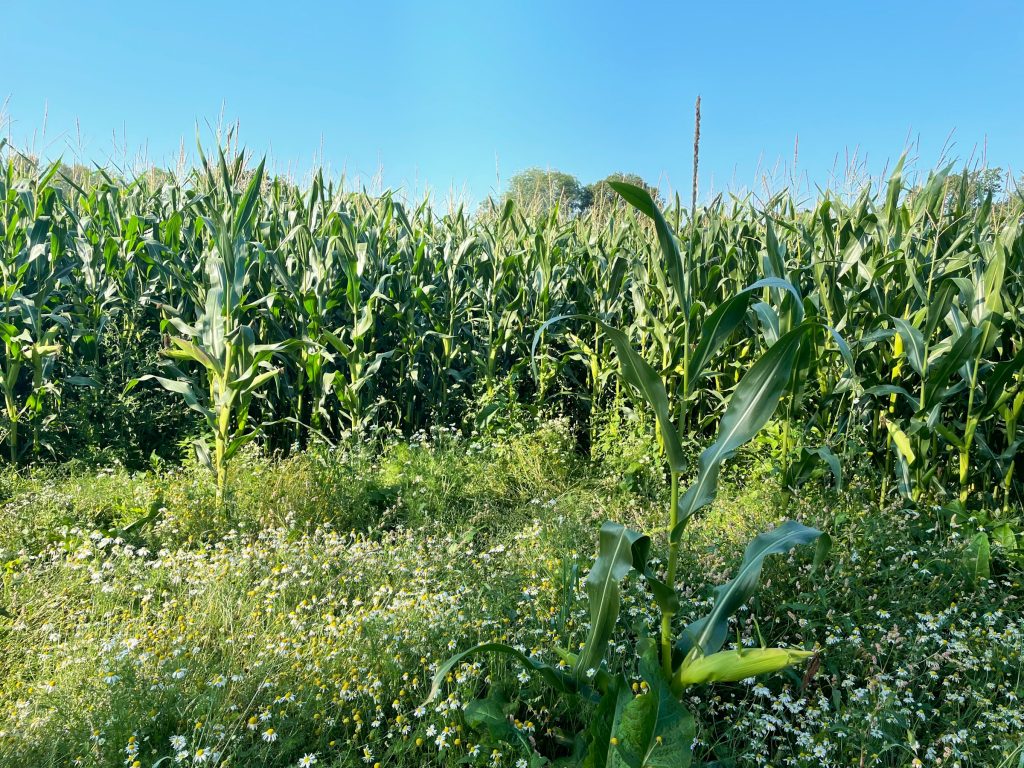
Another prominent example being the “Three sisters” comprised of corn, pole beans and squash traditionally grown together by the Native Americans. In this association, the corn provides shade to the other two members.
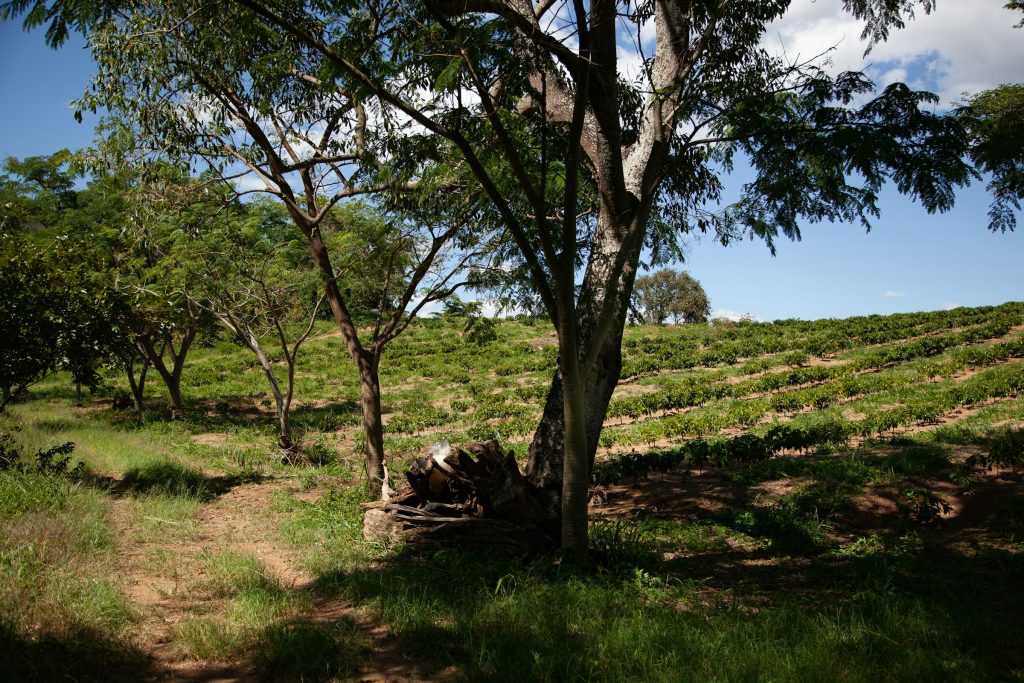
7. Companion planting provides support to target crops
Let’s go back to the “Three sisters”. Here, the corn which grows tall provides support to the climbing vines of the beans. Instead of building wooden or metal structures to train climbing vines, companion plants can be grown which will provide support, shade and an extra source of food. Large trees can provide support to climbing vines.
8. Companion planting prevents overgrowth of weeds
Uncontrolled use of weedicides has caused resistant weed strains to emerge. Reports state that more than 200 weeds have developed resistance to one or more commercially available weedicides. At this rate it would be difficult to control weeds in agro-ecosystems in the future. So, focus need to be shifted to more natural weed management systems. Besides, health complications from chemical residues of weedicides also need to be taken into consideration.
Cover crops are used to maintain soil structure, retain soil water, conserve important soil nutrients, increase soil organic matter, prevent soil erosion and serve as a living mulch to prevent growth of weeds. Living mulch acts as a biological weed management system cutting down usage of weedicides and manual labour employed to remove weeds.
Plants that have the capability to compete with weeds – which have very high growth rates and reproductive potential – are chosen as cover crops. Care should be taken that cover crops do not turn into obnoxious weeds in the future because they too have similar traits as weeds which make them efficient competitors.
Technically speaking, cover crops are used in-between two planting seasons as ground cover. But when the cover crop is used along with a cash crop it becomes a companion plant. In most cases the companion plant chosen is a nitrogen fixer so that they serve multiple purposes at the same time.
9. Companion planting reduces attack by plant pathogens and prevents spread of plant diseases
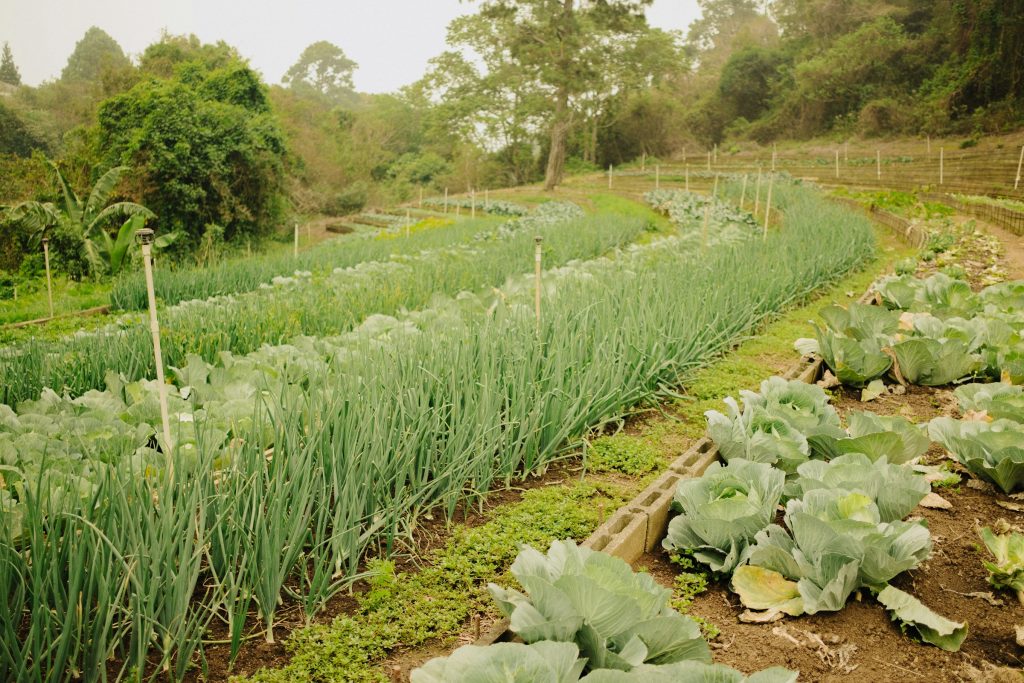
Monocultures are perfect places for diseases to spread because all around an infected host surrounds a sea of potential hosts. One infected individual and the disease soon impact the whole farm. But when different plants are present in the same area it becomes a difficulty for the pathogen to infect the next individual with the same ease it enjoyed in a monoculture. The phylogenetic barrier acts as a resistance to pathogen attack in a biodiverse ecosystem.
10. Companion planting increases biodiversity and builds ecosystem resilience
Species variety in a region makes it difficult for pests and pathogens to locate hosts. And, if they do find one, they face further difficulty in propagating as the nearest favourable host is separated by an unfavourable matrix of different non-host plant species. Moreover, surrounding plant species maybe home to numerous natural enemies of pests or composed of disease resistant varieties. Monoculture plantations wipe out variety which makes them all the more vulnerable to pests and pathogens. Being devoid of natural enemies, pest and disease outbreaks spiral out of control in monoculture farms.
Biodiversity and ecological complexity make natural ecosystems resilient to disturbances. Companion planting attempts to inculcate this same resilience into artificial ecosystems, like agricultural farms or your small backyard garden, by building biodiversity.
Adding nitrogen fixing plants, nurse plants, trees that harbour root mycorrhiza, shade giving trees, pollinator attracting flowering plants and cover crops imparts complexity to such artificial ecosystems. Complexity creates niches for more species, building a multi-tier ecosystem network with each entity interdependent on and interconnected to the others.
11. Companion planting gives an extra source of income to small scale farmers
Companion planting allows better space and resource utilization. So, the output from the same area of land in more when companion planting is adopted than when it is not. Growing two or more varieties of crops gives the grower an extra source of income. If one crop fails due to seasonal fluctuations or from any other cause, the other crops give a steady source of income to the farmer. Sometimes companion planting gives better yield than monoculture with similar amounts of input.
So, which one do you think is the better option?

Conclusion
If you have come this far – congratulations! You have indeed completed a very intense reading session, and your brain right now is probably loaded with too much information. But relax and give it a while to let it settle. Look at your garden for a change. Look at your plants and think – don’t they deserve all the effort you put behind them? They have their way of thanking you for all the care you give them. And to make your relationship with your plants a little more charming I have attached a carefully compiled list of companion plants with their scientific reference right here with this article. So, go ahead and gift your plants a friendly and helpful companion.
Companion Planting Guide
| Sl. No. | Target plant | Companion plant | Benefits | References |
| 1 | Strawberry (Fragaria x ananassa) | Borage (Borago officinalis) Wildflowers | Attracts pollinators enhancing pollination of target crop | Griffiths et al., 2020 Feltham et al., 2015 |
| 2 | Cucumber (Cucumis sativus) | Annuals – Borage (Borago officinalis) Cosmos (Cosmos bipinnatus) Basil (Ocimum basilicum) Zinnia (Zinnia × marylandica) Perrenials – Frogfruit (Phyla nodiflora) Sea oxeye (Borrichia frutescens) Mealy sage (Salvia farinacea) Texas kidneywood (Eysenhardtia texana) | Attracts pollinators enhancing pollination of target crop | Montoya et al., 2020 |
| 3 | Habanero pepper (Capsicum chinense) | Annuals – Borage (Borago officinalis) Cosmos (Cosmos bipinnatus) Basil (Ocimum basilicum) Zinnia (Zinnia × marylandica) Perrenials – Frogfruit (Phyla nodiflora) Sea oxeye (Borrichia frutescens) Mealy sage (Salvia farinacea) Texas kidneywood (Eysenhardtia texana) | Attracts pollinators enhancing pollination of target crop | Montoya et al., 2020 |
| 4 | Cotton (Gossypium hirsutum) | Cantaloupe (Cucumis melo cantalupensis) Sorghum (Sorghum bicolor) Mung bean (Vigna radiatus) | Pest control of Whitefly (Bemisia tabaci), Green vegetable bug (Nezara viridula) and Mirid (Apolygus lucorum). | Castle (2006) Tillman (2006) Lu et al., 2009 |
| 5 | Sweet corn (Zea mays convar. Saccharata var. rugosa) | Pea (Pisum sativum) White mustard (Sinapsis alba) Black mustard (Brassica nigra) | Pest control of Green vegetable bug (Nezara viridula) | Rea et al., 2002 |
| 6 | Onion (Allium cepa) | Buckwheat (Fagopyrum esculentum) African marigold (Tagetes erecta) | Pest control of Thrips (Thrips tabaci) | Silveira et al., 2009 |
| 7 | Cauliflower (Brassica oleracea) | Sunflower (Helianthus annuus) Marigolds (Tagetes sp.) Rape (Brassica napus) Chinese cabbage (Brassica rapa) | Pest control (Rape blossom beetle) | Hokkanen (1989) |
| 8 | Cabbage (Brassica oleracea) | Sunflower (Helianthus annuus) Cornflower (Centaurea cyanus) French marigold (Tagetes patula) Calendula (Calendula officinalis) Onion (Allium cepa) Rye (Secale cereale) | Pest control of Cabbage moth, (Mamestra sp.), Diamondback moth (Plutella xylostella), Cabbage aphids (Brevicoryne brassicae) and Flea beetles (Phyllotreta sp.). | Balmer et al., 2014 Jankowska et al., 2013 Mutiga et al., 2010 Broad et al., 2008 |
| 9 | Collards (Brassica oleracea) | Alyssum (Lobularia maritima) Parsley (Petroselinum crispum) Onion (Allium cepa) | Pest control of Aphids (Brevicoryne brassicae), Diamondback moth (Plutella xylostella), Whiteflies. | Ribeiro and Gontijo, 2017 Gontijo et al., 2017 Mutiga et al., 2010 |
| 10 | Bell pepper (Capsicum annuum) | Sunflower (Helianthus annuus) Sorghum (Sorghum bicolor) Basil (Ocimum basilicum) African marigold (Tagetes erecta) Chives (Allium schoenoprasum) Leek (Allium porum) Rosemary (Rosmarinus officinalis) Broadleaved lavender (Lavandula latifolia) | Pollinator attraction and Pest control of Brown marmorated stink bug, aphids (Myzus persicae). | Blaauw et al., 2017 Souza et al., 2019 Issa et al., 2016 Amarawardana et al., 2007 |
| 11 | Pomegranate (Punica granatum | Celery (ApiumGraveolens) Syrian oregano (Origanum syriacum) Basil (Ocimum basilicum) Yarrow (Achillea millefolium) French marigold (Tagetes patula) Native wild plants | Pest control of leaf hoppers (Empoasca sp.),whiteflies (Bemisia sp.) andleafminers (Diptera & Lepidoptera) | Kishinevsky et al., 2017 |
| 12 | Tomato (Solanum lycopersicum) | French marigold (Tagetes patula) African marigold (Tagetes erecta) Coriander (Coriandrum sativum) White mustard (Sinapsis alba) Basil (Ocimum basilicum) Lettuce (Lactuca sativa) Garlic (Allium sativum) | Pest control of Glasshouse whitefly (Trialeurodes vaporariorum), Thrips, Aphids, Leafminers, Whitefly (Bemisia tabaci), Tomato pinworm (Tuta absoluta) and Root-knot nematode (Meloidogyne sp.).Enhanced soil phosphorous content, organic matter and enzyme activity. Increased plant growth. | Conboy et al., 2019 Haro, 2011 Hilje and Stansly (2008) Togni et al, 2009 Medeiros et al., 2009 Tringovska et al., 2015 Ding et al., 2019 Liu et al., 2014 |
| 13 | Eggplant (Solanum melongena) | Chrysanthemum (Chrysanthemum indicum) Crimson clover (Trifolium incarnatum) | Pest control of Thirps (Frankneiela occidentalis) | Kang et al., 2013 Hooks et al., 2013 |
| 14 | Maize (Zea mays) | Napier grass (Pennisetum purpureum) Silverleaf desmodium (Desmodium uncinatum) | Pest control of Stemborers (Chilo partellus & Busseola fusca) | Blassioli-Moraes et al., 2022 |
| 15 | Soybean (Glycine max) | White mustard(Sinapis alba) Black mustard(Brassica nigra) Pea (Pisum sativum) Crimson clover (Trifoliumin carnatum) Buckwheat (Fagopyrum esculentum) Sunflower (Helianthus annuus) Sorghum (Sorghum bicolor) Pearl millet (Pennisetum glaucum) | Pest control of Stink bugs (Nezara viridula, Euschistus servus and Chinavia hilaris) | Blassioli-Moraes et al., 2022 Mizell et al., 2008 |
| 16 | Lettuce (Lactuca sativa) | African marigold (Tagetes erecta) Alfalfa (Medicago sativa) | Pest control | Zache, 2009 Accinelli et al., 2005 |
| 17 | Coffee (Coffea sp.) | Sun hemp (Crotalaria juncea) Buckwheat (Fagopyrum esculentum) Inga (Inga edulis) | Pest control of Coffee leafminer (Leucoptera coffeella) and Coffee berry borers (Hypothenemus hampei). Soil nitrogen fixation. | Rosado et al., 2021 Rezende et al., 2014 |
| 18 | Banana (Musa sp.) | Wild groundnut (Calopogonium mucunoides) Radish (Raphanus sativus) Black oat (Avena strigosa) Common vetch (Vicia sativa) Italian ryegrass (Lolium multiflorum) | Pest control of nematodes (Fusarium oxysporum), causal disease of fusarium wilt. | Almeida et al., 2018 |
| 19 | Cucumber (Cucumis sativus) | Wheat (Triticum aestivum) Rye (Secale cereale) Onion (Allium cepa) Garlic (Allium sativum) Trifolium (Trifolium repens) Rape (Brassica napus) | Pest control and improving crop yield. Enhancement of soil potassium, phosphorous and nitrogen content. | Zhou et al., 2011 Chang et al., 2017 |
| 20 | Watermelon (Citrullus lanatus) | Wheat (Triticum aestivum) | Increases resistance to powdery mildew and Fusarium wilt disease. Enhances crop yield. | Xu et al., 2013 Zu et al., 2015 |
| 21 | Potato (Solanum tuberosum) | Garlic (Allium sativum) | Control of aphid pests (Myzus persicae, Aphis gossypii, Empoasca sp.) | Potts and Gunadi, 1991 |
| 22 | Broccoli (Brassica oleracea) | Rye (Secale cereale) | Pest control of Cabbage aphids (Brevicoryne brassicae | Broad et al., 2008 |
| 23 | Broad bean (Vicia faba) | Basil (Ocimum basilicum) Summer savory (Satureja hortensis) | Control of aphid pest (Aphis fabae) | Basedow et al., 2006 |
| 24 | European pear (Pyrus communis) | Basil (Ocimum basilicum) Summer savory (Satureja hortensis) | Control of aphid pest (Aphis citricola) | Beizhou et al., 2011 |
| 25 | Rapeseed (Brassica napus) | Onion (Allium cepa) Garlic (Allium sativum) | Control of aphid pest (Lipaphis erysimi) | Sarker et al., 2009 |
| 26 | China rose (Rosa chinensis) | French marigold (Tagetes patula) | Control of aphid pest (Macrosiphumrosivorum) | |
| 27 | Barley (Hordeum vulgare) | Blue thistle (Cirsiumvulgare) | Control of aphid pest (Rhopalosiphuim padi) | Glinwood et al., 2004 |
| 28 | Kale (Brassica oleracea) | African marigold (Tagetes erecta) Calendula (Calendula officinalis) Coriander (Coriandrum sativum) Dill (Anethum graveolens) | Control of aphid pests (Lipaphis erysimi) | Silva et al., 2016 |
| 29 | Chinese cabbage (Brassica pekinensis) | Basil (Ocimum basilicum) | Pest control of striped flea beetle (Phyllotreta striolata) | Roxas, 2009 |
| 30 | Orchard grass (Dactylis glomerata ) | White clover (Trifolium repens) | Nitrogen fixing | Li et al., 2024 |
| 31 | Cowpea (Vigna unguiculata) | Sorghum (Sorghum bicolor) | Enhanced phosphate uptake. | Makoi et al., 2010 |
| 32 | Eucalyptus (Eucalyptus sp.) | Cowpea (Vigna sinensis) | Nitrogen fixation and biological weed control | Schumann, 2010 |
| 33 | Pine (Pinus patula) | Soybean (Glycine max) | Nitrogen fixation and biological weed control enhancing plant growth. | Liphadzi and Reinhardt, 2006 |
| 34 | Maize (Zea mays)(Same species as sweet corn) | Silverleaf desmodium (Desmodium uncinatum) Napier grass (Pennisetum purpureum) | Biological control of striga weed (Striga hermonthica) and stemborers. | Khan et al., 2008 |
| 35 | Peanut (Arachis hypogaea ) | Cang Zhu (Atractylodes lancea) | Prevents growth of pathogenic microbes lowering seedling mortality of target plant. | Dai et al., 2013 |

HAPPY GARDENING!!!