
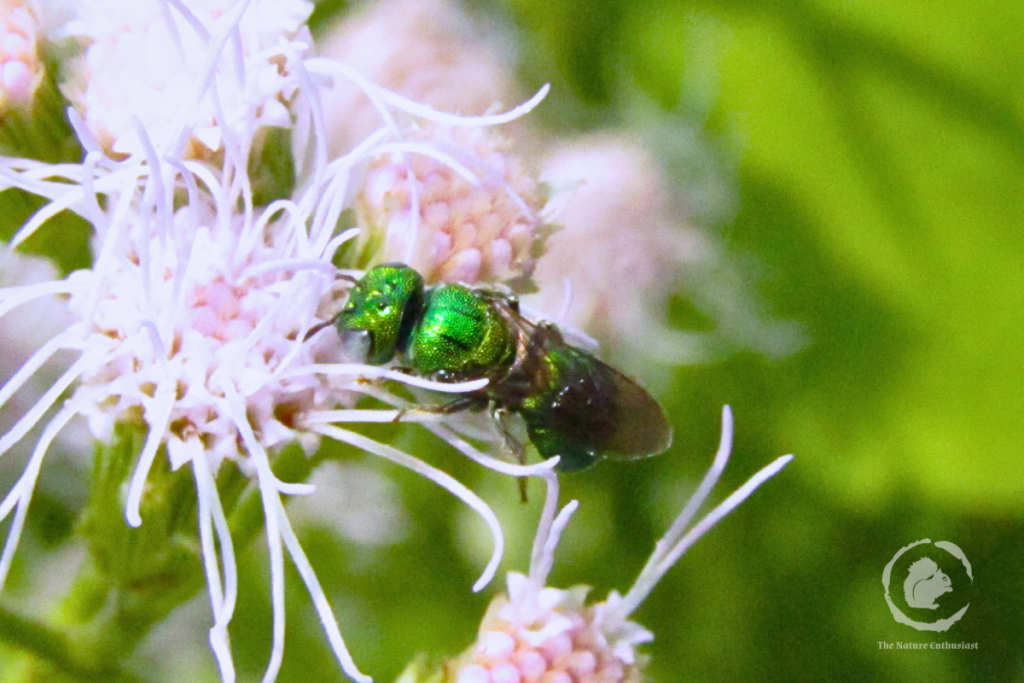
Pollinator populations and diversity are declining rapidly worldwide. Shrinking habitat coupled with climate change are threatening their existence. But there is more to the picture. This article delves deep into the factors driving this massive change.
Pollinators and flowering plants share an eternal love story. They are like Romeo and Juliet of the natural world. This love story shouldn’t be meddled with, for if you kill one the other dies too and brings along with it a barrage of grave consequences upon the very existence of humanity. Yes, you read that right! We do not realise the gravity of the situation yet but the decline of pollinator populations threatens our survival unless evolution miraculously presents before us a quick fix to deal with the crisis.
The mutual relationship between flowering plants and pollinators took millions of years of evolution to reach the form as we see it today. The process is still on with both parties continuously adapting and adjusting to its changing environment aiming for an optimal balance. However, the recent changes in the environment due to anthropogenic activities have escalated the natural pace of events. The change is so drastic that many species are unable to adapt to their shifting surroundings or develop tactics to escape emerging existential threats, hence succumbing to their adaptive inadequacies by dropping out of this evolutionary race. We humans are the drivers of the ongoing mass extinction event, which happens to be the sixth one called the Holocene extinction. Good that we have recognized ourselves as the culprit which is why we have termed it the Anthropocene extinction.
The decline in pollinator populations is also a part of this mass extinction event. We shall discuss the reasons behind the decline in this article but before that we must try and understand why pollinators are essential for our survival.
What makes pollinators so important in the normal functioning of the global ecosystem?
It is common sense for anyone to understand that pollinators help in the transfer of pollen from the male anthers to the female stigma of flowers thus leading to fertilization and seed setting. They are important for the development of various fruits and vegetables consumed by the society meeting its daily requirement of carbohydrates, proteins, fats, essential vitamins and minerals. Pollinators are an integral part of the food web and their loss can cause the entire ecosystem to collapse. These are concepts that are essentially easy to grasp. But the hard part arrives when one is asked to gauge the extent of the effect of this service on the economy of a country or the world as a whole.
Pollinator populations have been on the decline for quite some time, but it was only in recent decades that the effect of this decline on the agricultural sector and hence the global economy has garnered some attention. It is hard for researchers to convince policy makers about the extent of the effect without integrating the monetary angle into the argument. So, quantifying the economic value of ecosystem services, like pollination, becomes essential.
Nearly 90% of all flowering plants depend on animal pollinators for sexual reproduction. The rest depend on agents such as wind, water or self-fertilization for the male and female gametes to meet. Out of this whole spectrum of flowering plants many are cultivated for food production, 75% of which depend on animal pollination. Of all the leading crop varieties 87 depend on animal pollinators which further amounts to 35% of global food crop production by volume. The figure 35% by volume might appear to be redundant but this very percentage contains almost all fruits and vegetables that provide us the bulk of nutrition (vitamins, minerals, proteins, stimulants, phytochemicals) and fibers.
Many plants can propagate vegetatively but the offspring will basically be clones having the same genetic composition as the parent. Many flowering plants can self-pollinate and produce seeds but there will not be much genetic variety for the future generations to look forward to. Some plants are self-incompatible and depend exclusively on cross-pollination and this is just where the role of pollinators come in. Even if flowers self-fertilize, crossing is necessary to get that hybrid vigour and genetic diversity that propels the future generations to battle pest outbreaks, diseases, environmental stresses and finally survive to reproduce again.
Now, imagine a situation where there are no pollinators, just acres and acres of farmland with standing crops in full bloom groaning to get visited by pollinators. Either the flowers will wither away before any exchange of pollen grains can occur or we watch a bunch of humans (our pollinators) walk into the field and hand-pollinate each one of the flowers. Maybe an even more technicized scenario can rise – we see robots collect pollen from flowers and then drones spray the pollen on fields of flowering plants. Oh, the wonders of science but very costly! The most logical, feasible and scientific approach here will be to preserve the remaining pollinator populations across the world because 16.5% of vertebrate pollinators and 40% of invertebrate pollinators are at risk of extinction already (IPBES, 2017).
The 2017 IPBES report claims that 5-8% of global crop production which makes up some $235-$577 billion worth of the annual market value is directly attributable to animal pollination. Most of the highly valued cash crops are heavily dependent on animal pollination for both yield and quality of the crop. A very prominent example being strawberry, where the size and the shape of the fruit, which is basically the swollen receptacle, depends on all the achenes getting fertilized and setting seeds and a nicely shaped strawberry can fetch good prices compared to poorly shaped ones. The production volume of pollinator dependent crops has increased by 300% over the past 50 years and so has the number of livelihoods that depend on cultivation of such crops.
By now you might be able to comprehend why decline in pollinator population and diversity puts so many entities at risk starting from Earth’s biodiversity and ecosystem services to human livelihoods, food production and the global economy.
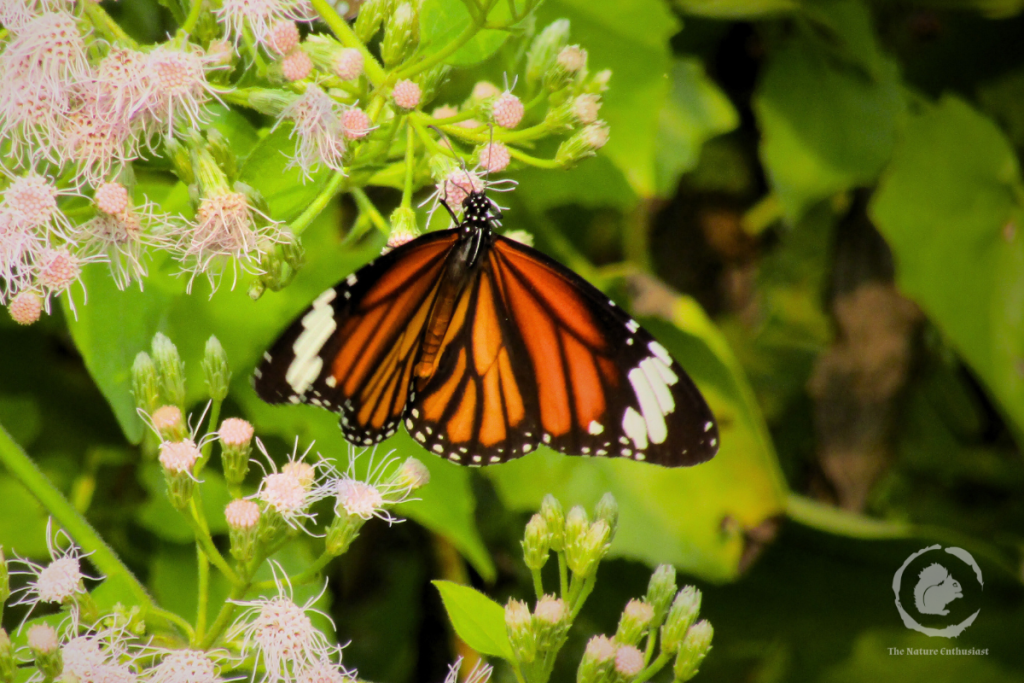
Reasons why pollinator populations are declining
A variety of animal groups are involved in the pollination process. Some of them are bees, wasps (both Hymenopteran), flies (especially Dipterans like hoverflies), butterflies, moths (both Lepidopteran), beetles (Coleoptera), thrips (Thysanoptera), mammals (like bats) and birds. Among them however bees emerge as the most potent pollinator. It is said that bees evolved from wasps and that’s when they developed hairy bodies, pollen baskets and other such adaptations that make them extremely capable at collecting and transferring pollen during their foraging trips from flower to flower. In other words, bees are ‘the beast’ at pollination, they are the best. Most studies thus focus on bees and highlight the decline in their populations worldwide as the major driver of the contemporary pollination crisis.
Let us now learn about the major drivers of pollinator population decline.
Habitat loss and change in land use patterns
Conversion of pristine landscapes to agricultural lands and housing complexes deprives pollinators of their natural habitats. Pollinators lose nesting sites, wild plants that they forage on and the distance between habitat patches also increases. All these factors work to decrease their numbers.
Unavailability of proper food resources hampers pollinator nutrition and weakens their immune system making them prone to diseases. It has been found that honeybees when brought up in an environment poor in pollen availability and quality grow up to be unskilled dancers and foragers. Such members cannot sustain a colony in the long run because foraging and waggle dancing by worker bees are the two most crucial activities that contribute towards colony development. Specialist pollinators are the most affected because loss of that one plant they heavily depend on means them hitting a blind end. Finding an alternative plant is a matter of evolutionary time scale.
The optimal foraging theory suggests that larger foraging sites and less distance between them favour the foragers, which in this case is the pollinator in question, while the opposite is detrimental for its survival in the long term. Habitat fragmentation does just that – it breaks up large foraging sites into smaller patches and increases the distance between them. Imagine a bee feeding on a small patch of wild flowers which hardly suffices its nutritional and energy requirements. Then it again has to fly a long distance expending its energy to reach the next patch which is also in the same condition as the previous one. Do you think the bee would survive such an ordeal if it has to do this every single day of its short life? It would die of malnutrition and exhaustion.
Loss of nesting sites interferes in their life cycle. Even if the pollinator does manage to find a site in the degraded habitat there is always the question of survival because such poor habitats are also prone to disturbances that can physically dismantle a nest.
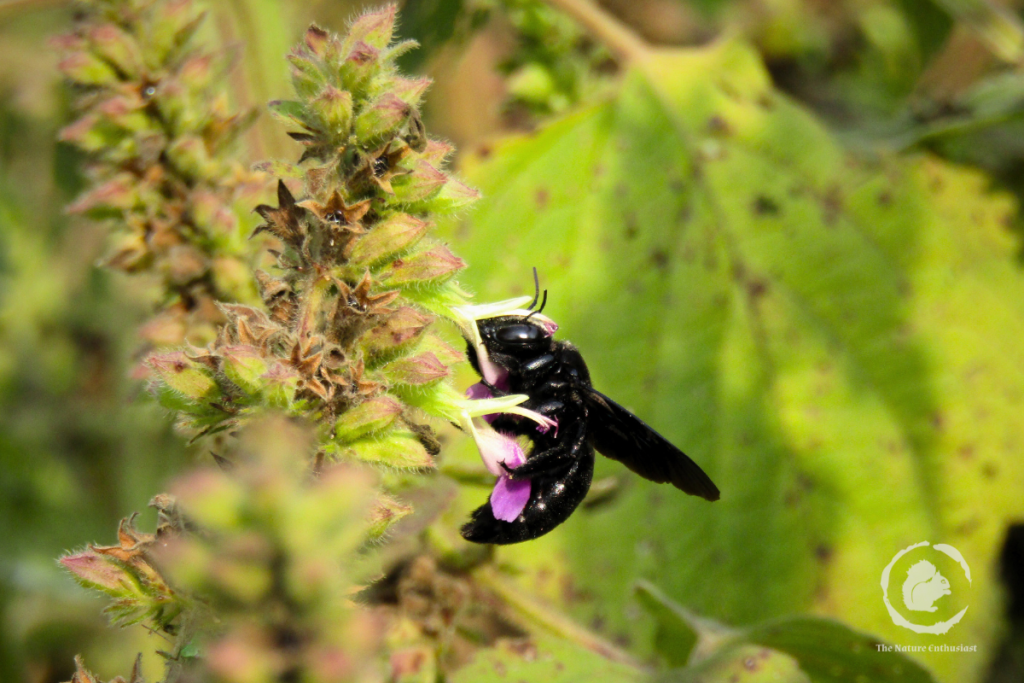
Detrimental effects of pesticides and other agrochemicals
Pesticides as the name suggests are components used to kill or deter pests. Most plant pests are insects and the bid to get rid of them ends up causing collateral damage to pollinators who also happens to be primarily insects. Other agrochemicals like fungicides, herbicides and some chemical fertilizers affect pollinators indirectly as chemical components have detrimental effects on the physiology of pollinators.
In honeybees direct contact or ingestion of pesticides cause toxicity and death. Sublethal doses on the other hand leads to lifelong impairment of key organ systems. Some effects include wing paralysis, impaired metabolism, learning inability, cognitive decline, poor navigation and homing ability. All these effects in unison result in reduced foraging and pollination efficiency ultimately lowering plant reproductive success and colony success of eusocial honeybees and bumble bees.
Effects of pollution
Metal pollution appears to be causing the most detrimental effects to pollinators. Plants growing on soils contaminated with heavy metals like Lead show stunted growth and flowers are smaller with less nectar and pollen content. Due to less resources duration of visit by pollinators are short for these flowers. Bumble bees spend less time on flowers that have contaminated nectar and pollen. Even honeybees have shown ability to detect heavy metal contamination in sucrose solutions depending on the kind and concentration of metal present.
Bees exposed to metal contamination for long periods of time show impaired cognitive functions and abnormal morphological development. Consumption of metal contaminated pollen and nectar alters the microbiome of both honeybees and bumble bees causing detrimental health effects.
Light pollution on the other hand impairs the activity of nighttime pollinators like moths and bats. The light trapping effects of ALAN (Artificial Light at Night) are well documented for moths and other nocturnal insects. Large numbers of them are often seen to circle continuously around the light source all night and dropping dead from exhaustion by daybreak.
Climate change and its consequences on pollinator populations
The planet goes through periodic cycles of warming and cooling. But the current period of warming is essentially human driven resulting in changing climatic patterns across the globe. This shift is already the reason behind the disappearance of many species. Changing weather conditions are accompanied by changing species distribution on the planet. Drought resistant, hardy, generalist plant species are surviving erratic climatic patterns while specialist species that require specific habitats to thrive are declining in numbers with stretches of their natural habitats shrinking. Under such circumstances drastic changes in pollinator population and distribution are bound to occur.
Higher temperatures signal plants to flower early and insects to emerge faster, but the effect is more pronounced in plants compared to animals. An anomaly in the timing of flowering and pollinator activity leads to asynchronization of the mutual balance struck between them by years of coevolution. It leads to reduced fertilization rates and decline in populations of both plant and pollinator.
Reduced water availability and higher temperatures decrease plant cell turgidity ultimately decreasing flower size, lowering pollen and nectar quality. Pollinators are not sufficiently rewarded hence declining health and malnutrition prevails. Higher temperatures and drier conditions also interfere in the activity of floral volatiles which might tamper with flower locating ability of pollinators.
Increasing global temperatures also promotes the spread of invasive plant species most of which are from tropical regions. Invasive plants integrate in the local plant pollinator network and can serve as floral resources for generalist pollinators. But they slowly eliminate native plants from the habitat which may have served as floral resources for specialist pollinators eventually manifesting their exodus from the region.
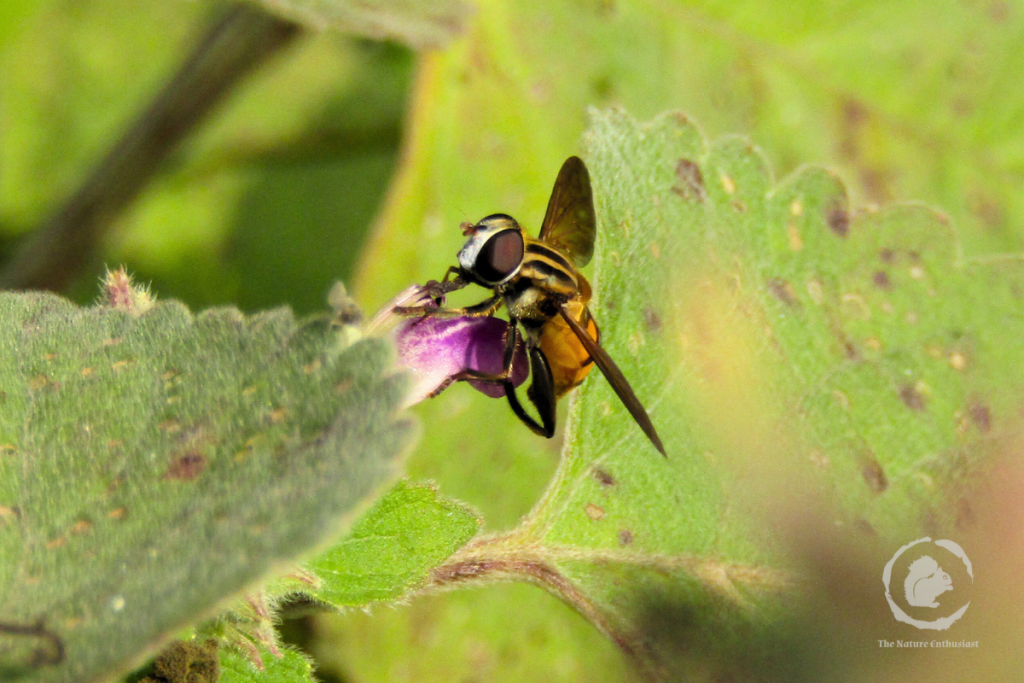
Effects of pests and pathogens on pollinators
Pest infestation deteriorates health and reduces chances of survival. In case of eusocial honeybees and bumble bees pest attack on colony leads to decline in strength and heavy infestations can wipe out entire colonies. With changing climatic conditions pest infestations are predicted to rise with more notorious tropical pest species spreading their range.
The small hive beetle (SHB), a native of sub-Saharan Africa, invades honeybee colonies and feeds on pollen, honey and dead bees. Now this pest is a threat to beekeepers globally. SHB is also known to infest colonies of stingless bees and bumble bees while also attacking nests of solitary bees.
Varroa destructor mites have destroyed honeybee colonies leading to heavy losses for beekeepers. These mites don’t just feed on honeybee larvae but also spread many viruses like the deformed wing virus (DWV), black queen cell virus (BQCV), acute bee paralysis virus (ABPV) and chronic bee paralysis virus (CBPV), which lead to massive decline in bee populations worldwide.
Viruses follow a horizontal transmission pattern when floral resources are shared between different bee species. This often leads to spillover of viruses from managed bees to wild bees and vice-versa. Sourcing colonies for beekeeping from different parts of the world along with migratory beekeeping have aggravated the situation.
Managed honeybees are an enemy of wild bee populations
Managed bees compete with wild bee species for floral resources often displacing native bees from their original habitat.
They also harbour higher pathogen loads which are transmitted to wild bee populations. Wild bees due to absence of prior exposure to these disease-causing agents do not have immunity against them and thus succumb easily to infections. Such disease spillovers is one of the reasons behind declining wild bee populations.
Conclusion
In the absence of animal pollinators the only surviving plants on this planet will be those that do not depend on animal pollination – like wind and water pollinated plants, vegetatively reproducing plants and gymnosperms. If some of the animal pollinated plants are lucky they might evolve some alternative reproduction techniques and survive the extinction event.
More importantly the human diet will shift towards wind pollinated grains and crops that spread by vegetative means or can self-fertilize. But that too won’t last long because inbreeding depression will set in soon enough. Many herbivores will go extinct as their food sources are lost which will leave a cascading effect on the entire food-web leading in its collapse.
The human population is increasing and so is its consumption which is putting immense pressure on the food production sector. More lands are being brought under cultivation resulting in loss of wild habitats. Nutritional requirements are pushing towards higher production of crops that require animal pollination. If the problem of declining pollinator populations is not addressed swiftly, we better brace ourselves for a crisis hit world with soaring food prices and zero food stability.