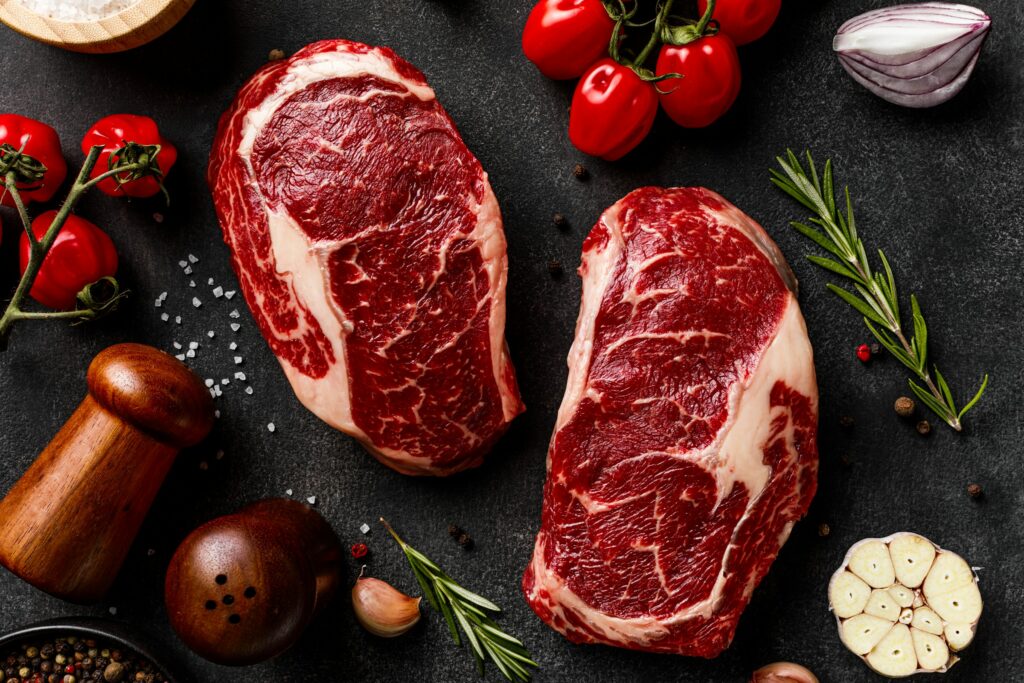
A meat-free diet plan is both healthier for the body and the planet. However, eliminating meat from our diets is easier said than done. There are many reasons why people find adopting a meat-free diet hard and sticking to it even harder.
Incentives and attempts to go meat-free are not old both at the individual and the community levels. A decade-long debate has been around on whether humans should shift to a meat-free diet. Animal welfare activists have some strong opinions to offer along with health care professionals who have equally valid points to add. Climate activists and environmental researchers are passionately involved in this drive to go meat-free. The debate grows fiercer by the day and propaganda runs strong.
Data shows that our food system is responsible for 30% of global greenhouse gas emissions. Livestock being the forerunner with the heaviest impact. 77% of agricultural land is used for livestock farming which includes grazing pastures and land dedicated to cultivating animal feed. The remaining 23% is used for crop cultivation. If the whole world followed a meat-free diet agricultural land use could be cut down from 4 billion hectares to just 1 billion hectares. Livestock production is a major driver of deforestation and land degradation. Cattle rumination produces methane, a high impact greenhouse gas.
Despite ample data consolidating claims over why meat-free option is the best option, going meat-free is easier said than done. In the past years the world witnessed a per capita increase in meat consumption. When human population doubled over the last 50 years, meat production quadrupled in the same time span. What exactly is causing this trend? Why is it so difficult to simply reduce leave alone totally eliminate meat from our diets?
The climate and health benefits of a vegan diet are constantly bombarded onto us from various angles on social media, television, print media and word of mouth. So, what exactly is stopping us from adopting a meat-free diet? Is it an old habit hard to let go? Or is it the taste that we just cannot do without? Let’s get to the bottom of it all.
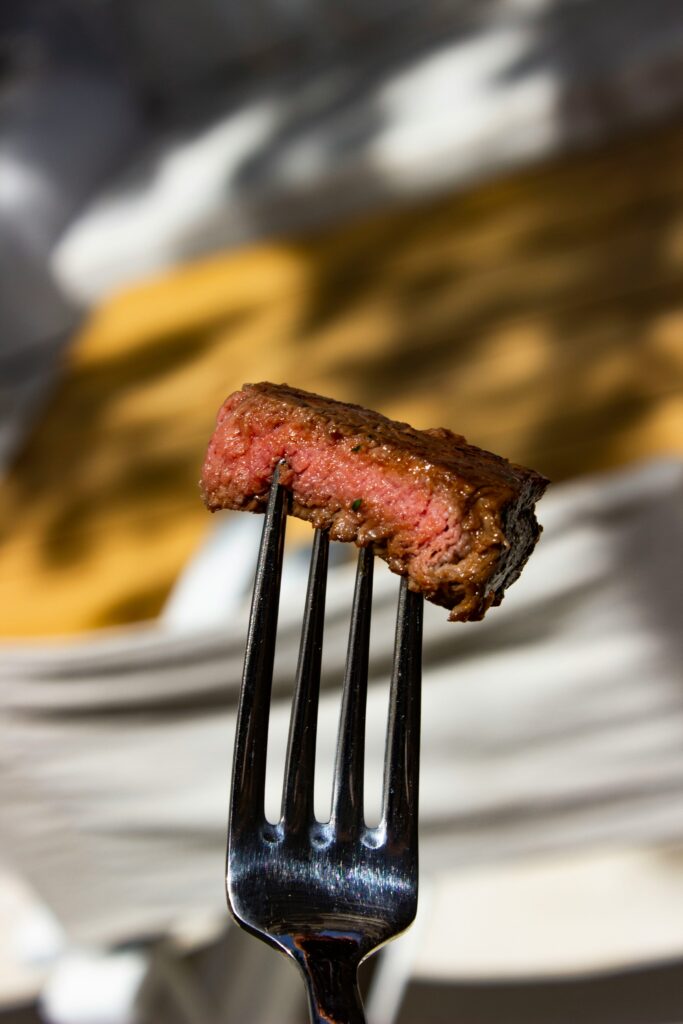
Meat is considered a pleasure food which makes it irresistible
The taste of meat is pleasing to our tastebuds which makes it difficult to forsake. Our brain craves for experiences that elicits a pleasure response. It tends not to forget the association between the feeling and the object that evokes it. Since, most of us grow up eating traditional food, which is hardly meat-free, the association is formed early from childhood and can be hard to reset at a later stage in life.
People admit that nothing replaces the taste, texture and flavour of meat which makes it rank among the top on a list of pleasure foods. So, the meat-free option is not an option for the pleasure seekers.
Cultures and traditions shape our diets which can be difficult to change
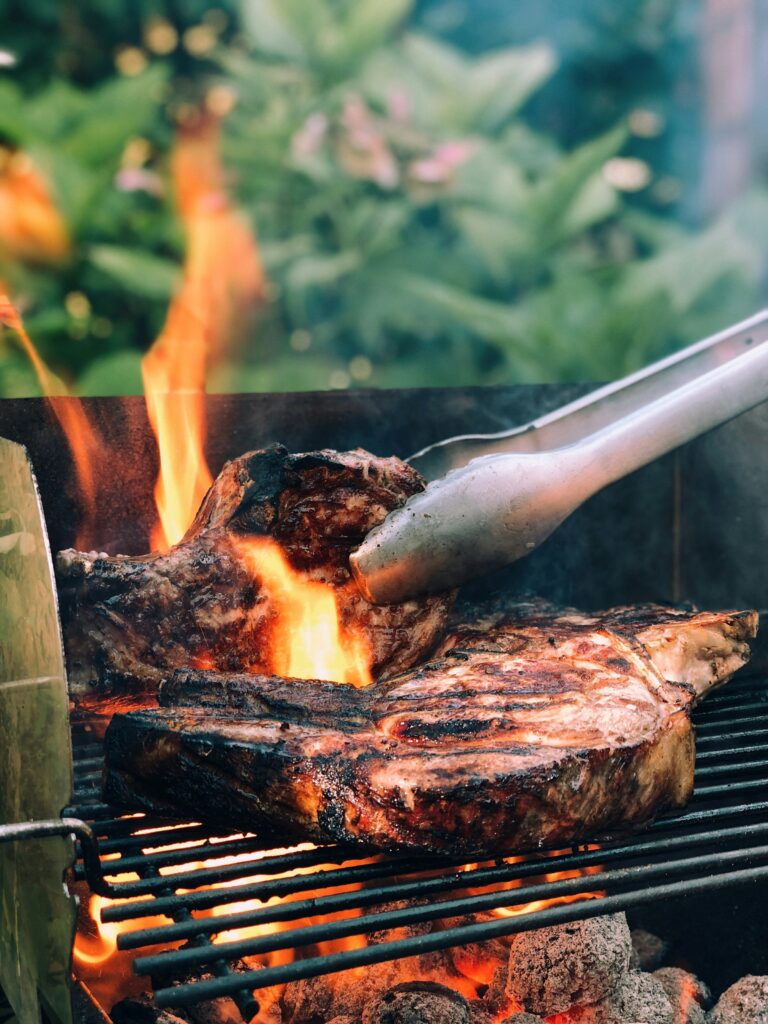
From birth the culture and tradition of the community we are born and brought up in influence our choices. They decide what we wear and when we wear them, what we eat and why we eat them even what profession we choose and how we fare in them. If our culture mandates that we eat a certain amount of meat on a daily basis it can be almost next to impossible to change out of this long-formed habit even when situation calls for it.
Many even claim that family barriers came in the way of their journey towards a meat-free diet plan.
Meat consumption was part of our evolutionary journey
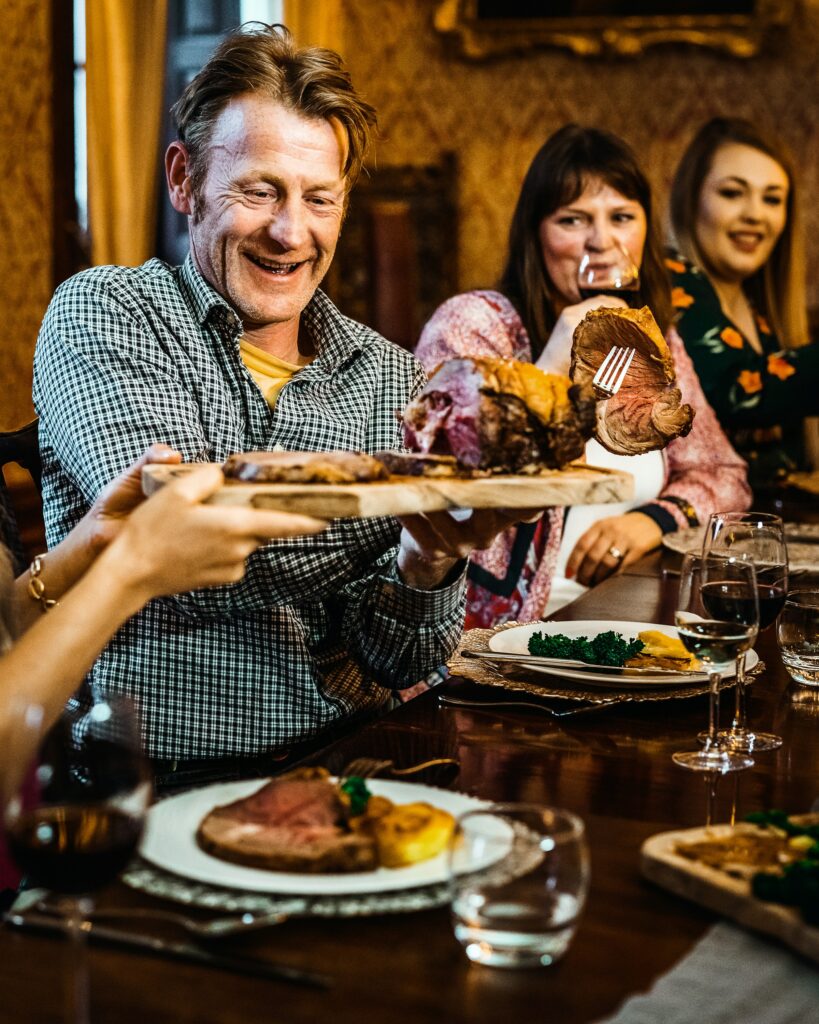
Our journey from hunter gatherers to the modern man includes meat consumption. Before we settled down to cultivate our lands, we were foragers wandering through the land collecting fruits and berries and hunting down wild beasts for food. A peek into the stomach contents of our ancestors reveal a diet heavy on meat. Later on, after the agricultural revolution when crops started dominating our diets, hunting was still common. And a good hunt was always an occasion for celebration. Even today meat is associated with a bountiful lifestyle and festivities in most nations.
Unwillingness to alter eating habits puts a stop to shift towards a sustainable diet
Attempts to influence dietary decisions are met with resistance. People place value on the presence of meat in meals taken under various social, cultural and traditional scenarios. These practices shape eating habits which can be difficult to alter suddenly.
Many get offended when faced with any question involving meat in their diets restricting it to the domain of personal choice which shouldn’t be interfered with. Others resist by confirming to have already reduced their meat intake and that dietary choices shouldn’t be forced onto people.
Scanty meat-free options pose a weak opposition to a meal with meat
In most countries reliant on a heavy meat diet, options for meat-free vegan or vegetarian food happens to be pitifully low. People who a willing to go meat-free often complain about the lack of meat-free options when finding recipes to cook or eating out at restaurants.
Lack of preference for plant-based meat alternatives due to the taste factor
Plant-based meat alternatives do not appeal to the taste. They are also pricier which is a hindrance to many who want to go meat-free on a budget. Others question the degree of processing of such products or if they are healthy for humans.
Complete nutrition calls for meat on the plate
Concern surrounding adequate protein, iron and vitamin B12 intake especially for children, young adults and women prompts quite a large section of the public not to drop meat from their diets. Belief that meat is an essential component of a balanced diet still runs strong. People on a meat-free diet plan often complain about feeling undernourished, weak and unable to function normally.
Disbelief in the climate impact of our diets
Disregard towards the fact that what comprises our plates have much or anything to do at all about climate change is common. Most see other larger sectors like the fossil fuel industry, air travel, mineral mining etc., as the main drivers of climate change.
For the general public, any impact food might have on the environment is limited to food transportation, storage, processing and the packaging material used. People are more focused on reducing food miles, buying fresh local food, avoiding frozen or processed food, reducing food waste and denouncing plastic packaging on their food. They are less concerned about what items make their plate and how much of it they eat.
Quite a large number of people still think that the climate impact of meat is over-exaggerated. The environmental benefits of a meat-free diet is often dismissed as just another conspiracy theory to shift public attention from more pressing issues that are actually important. People demand more evidence in support of the fact that reducing meat intake can help alleviate the ill-effects of climate change. Therefore, not much net reduction in meat intake is observed in most populations.
Many still misunderstand what comprises a sustainable diet
A study in Ireland as recent as 2024 shows that people still see food sustainability in terms of where the food originates from (local or global) and what material is used to package it in. Another study in England shows the public think meat sourced locally is sustainable whereas practices in other countries are to blame for the climate impact of meat.
The public understands sustainable diets as something which is of ‘higher quality’ and ‘healthy’. There is a severe lack of understanding of the term “sustainable diet” among the general public. This is just another reflection of the communication gap between the academia and the public.
Eliminating red meat from their diets is as far some people claim they can go. Dairy, fish and chicken are not seen as having much environmental impact so are sustainable options according to some.
Higher income reflects in higher meat consumption
Countries with higher per capita income also has a higher amount of per capita meat consumption. Individuals in high-income countries in Europe, North America and Australia consume the highest amount of meat. Within countries socioeconomic transitions have found reflection in the eating habits of its people. For example, China has seen a per capita increase in meat intake ever since the beginning of its economic transformation in the 1960s.
What drives this change is not exactly known but it can be assumed that many of the previously mentioned factors may be the reason behind this scenario.

High price of non-meat products is a hindrance to reducing meat consumption
Meat consumption was once a marker of affluence in societies. But this has changed as now the economically rich class see meat-reduction as a moral status symbol denoting ecological consciousness of its practitioners.
Meat alternatives have a higher price tag because of its high production cost, manufacturing complexity, high research and development costs, lower agricultural subsidies, higher marketing costs and its elite ecologically low impact status. Plant-based milk products are 87% more expensive while plant-based meats are 67% more pricier than their animal-based counterparts. Combined cost of nutritionally rich fruits, vegetables and pulses can be more compared to meat and dairy in some regions. Meat and dairy are thus seen as cheap nutrient dense fulfilling foods.
What can be done to attain a meat-free diet plan?
Instead of jumping right away into a meat-free diet plan start slowly by reducing your meat intake. It makes the shift gradual and much easier to achieve.
Start by integrating more pulses, grains and vegetables into your meals before trying plant-based meat and dairy alternatives.
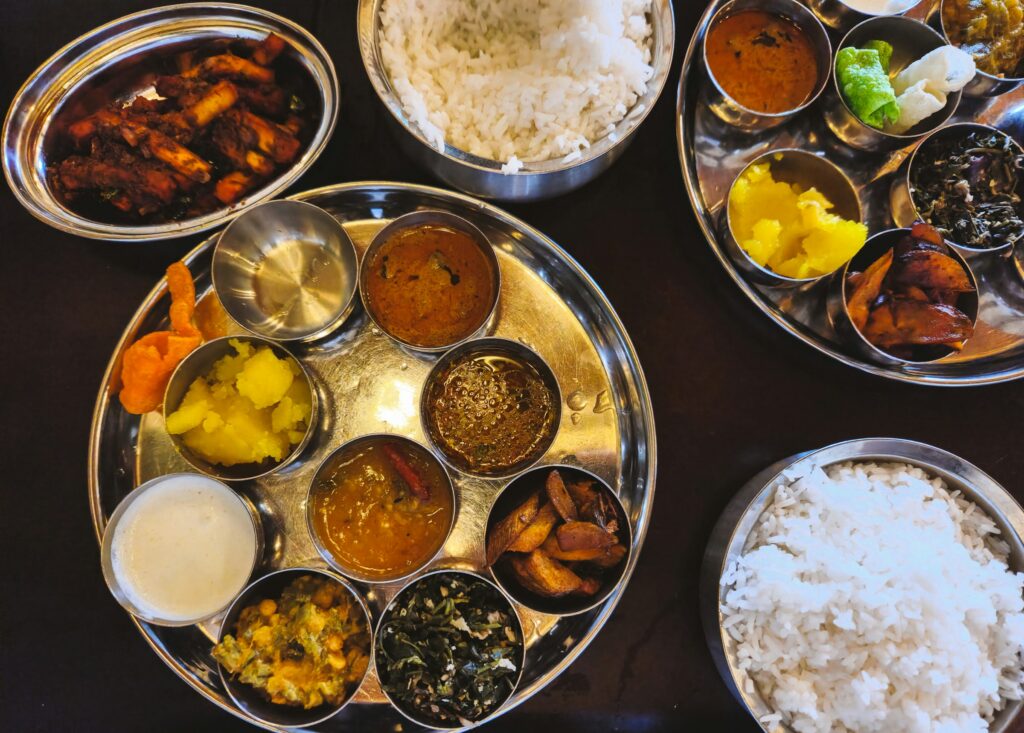
Research recipes from countries like India, Italy, Israel, Thailand, Malaysia, Ethiopia, Jamaica that have significant vegan or vegetarian populations. Exploring new recipes can offer good flavourful meat-free food options.
Shift from meat is a rewiring process where the brain adjusts to its absence. Replacing meat with flavourful vegetarian options works slowly to turn these food options into new favourites.
Most importantly, adopting a new diet plan is more about having a fresh outlook on food and approaching it differently. It should not be forced but must come naturally to oneself.