
The plastic problem has taken an overwhelming form. In a bid to find greener alternatives we have stumbled upon seaweeds. Can bioplastics from seaweeds solve the plastic problem?
Ever since its inception in 1907 plastic has amazed, amused and troubled us in a million ways possible. At first it was pure wonder – a synthetic material soft yet strong, stiff yet bendable, lightweight yet unbreakable, fluid yet water-resistant, continuous yet insulating, malleable yet durable and always in high demand but never too pricey! The different uses of plastic and its immense advantage over other materials imparted the status of a hero to it. It was a household and industrial hero indeed. In fact, it was a hero everywhere.
Even today plastic is an indispensable material. We cannot imagine a day without plastic. Everything from the smartphone we look at first thing in the morning, to the toothbrush we plug into our stinky morning mouth, to the plates we eat breakfast on, or the coffee cup we buy on our way to work, to the headphones we wear to bed to help us fall asleep to sleep music – is made up of plastic! It has penetrated every corner of our life and our planet, even our systems are not free of it.
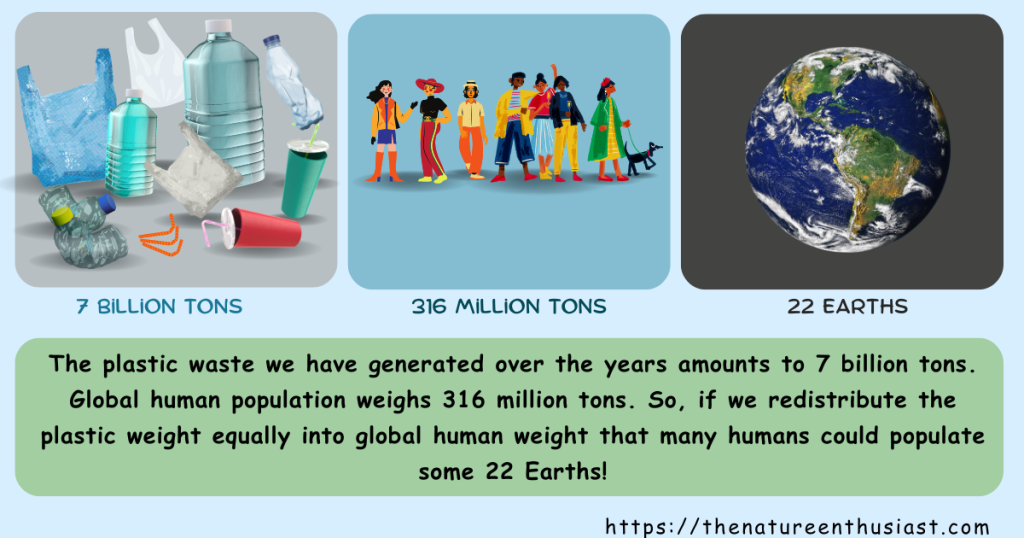
It has troubled us equally. As useful as it maybe it has a life, and once that useful life is over it is discarded but it just never goes away. Generations shall pass but the plastic will live on – in our soils, in our waters, in the air and in our systems. The plastic waste we have generated over the years amounts to 7 billion tons. Global human population weighs 316 million tons. So, if we redistribute the plastic weight equally into global human weight that many humans could populate some 22 Earths!
It’s confusing to understand how this material became so integral to our existence and that too so quickly. The harmful impact of plastic on our environment and on our health and on the health of every other organism we share the planet with, has given rise to a global consciousness that urges us to go “plastic free”. But it’s easier said than done. It has become like a drug we passionately desire to get rid of but never seem to get enough of.
Thus far it appears we are stuck in this vicious loop unless either of the two happens,
- first, we deplete all our fossil fuels so that there are no more petroleum by-products to make plastic from and we are left with no other option but to make do with recycling all the plastic still in existence, and,
- secondly, this one’s a more viable one, we invent biodegradable and sustainable plastic alternatives that gives us the full advantage of plastic but is still environment friendly and leaves us with lesser guilt.
Though, recycling is all the rage right now, but it is an energy-demanding process. The problem starts at the trash-bin. We don’t sort our plastics properly and even organizations conferred with the responsibility does a lousy job. They are not to blame completely because sorting plastics is actually a lousy job in reality. Different types of plastics have different properties and different melting points so a hot mixture of two of these will give an immiscible gooey slime good for nothing. And, spectroscopic analysis of their chemical nature to help sort them into similar categories is still out of the question due to it’s economic infeasibility. Moreover, most plastics can be recycled for only two to three cycles after which their poor quality doesn’t qualify them for use in making any plastic that’s actually ‘plastic’, in other words they become brittle.
The best option we have right now is to move away from synthetic plastic and look for greener options. Plastics have become a habit for us and it’s hard to totally get rid of old habits. So, why not replace the original with something similar yet effective? We needn’t necessarily kill the habit but instead exploit the habit itself to get people accustomed to the apparently familiar novel material.
It is just here where bioplastics enter the grand stage! Bioplastics – a term used to describe plastics derived from biological sources that are biodegradable and renewable – could hold the promise to a comparatively greener future. Prominent candidates among them include corn starch, cellulose, vegetable oils, sugarcane and food wastes. However, another very capable material gradually rising to prominence is seaweed.
Seaweeds are macroscopic algae that grow in marine waters and have been used for generations as food in many east-Asian countries. It was only in recent decades that they were discovered as the source of many bioactive components like vitamins, minerals, peptides, amino acids, proteins and polysaccharides and found uses in the human food, animal feed, nutraceutical, cosmetics, fertilizer and biofuel manufacturing sectors. Algopack was the first company to manufacture bioplastic from seaweeds in the year 2010. Ever since seaweeds have been the subject of various forms of experimentation and manipulation to achieve just one goal – to make a bioplastic that equals the properties of petroleum-based plastics but score ahead of it in biodegradability and sustainability.
But, how are we faring in the game so far? Time for a quick review.
How are plastics made from seaweeds?
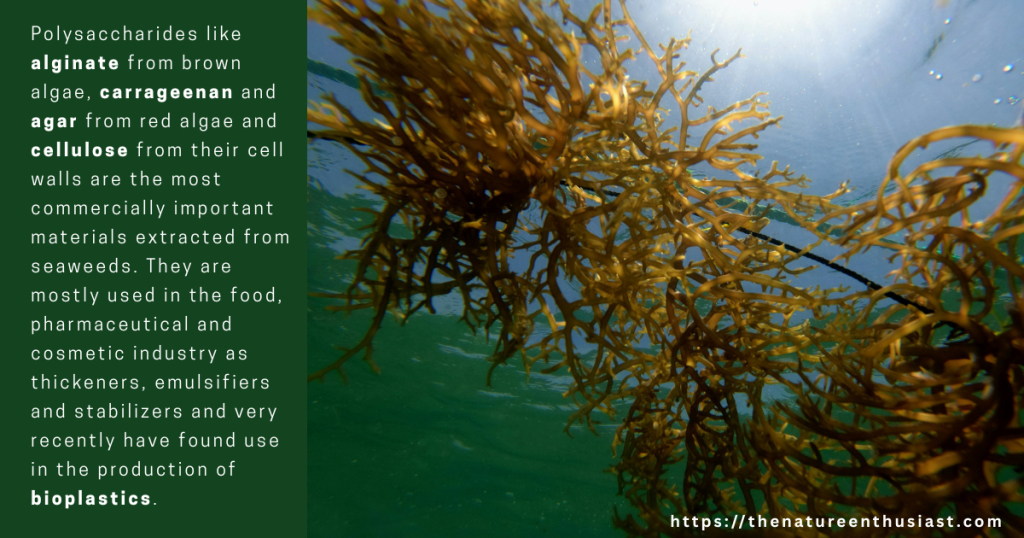
The component that makes up the main raw material for producing seaweed bioplastics is carbohydrate, which comprises nearly 4-76% of the macroalgal biomass by dry weight. Polysaccharides like alginate from brown algae, carrageenan and agar from red algae and cellulose from their cell walls are the most commercially important materials extracted from seaweeds. They are mostly used in the food, pharmaceutical and cosmetic industry as thickeners, emulsifiers and stabilizers and very recently have found use in the production of bioplastics.
First seaweeds are washed to remove dirt and impurities. Then they are treated with alkali (agar and carrageenan) or formaldehyde and hydrochloric acid (alginate) to make the material more suitable for further processing. Polysaccharides are extracted from seaweeds by hot-water extraction and alkali extraction methods. The material is next purified and dried into a powder ready for industrial use.
But these polysaccharides are hydrophilic and not so desirably plastic. So, to make them flexible and water-resistant extra treatments are done like adding plasticizers (glycerol, for example) and hydrophobic compounds to increase flexibility and water-resistant properties respectively.
Conventional methods use quite an amount of energy and some hazardous chemicals so the process is not entirely green. However, alternative “green” extraction methods are being tried and some of them are already in use.
Exactly which plastic problem can seaweed-based bioplastics address?
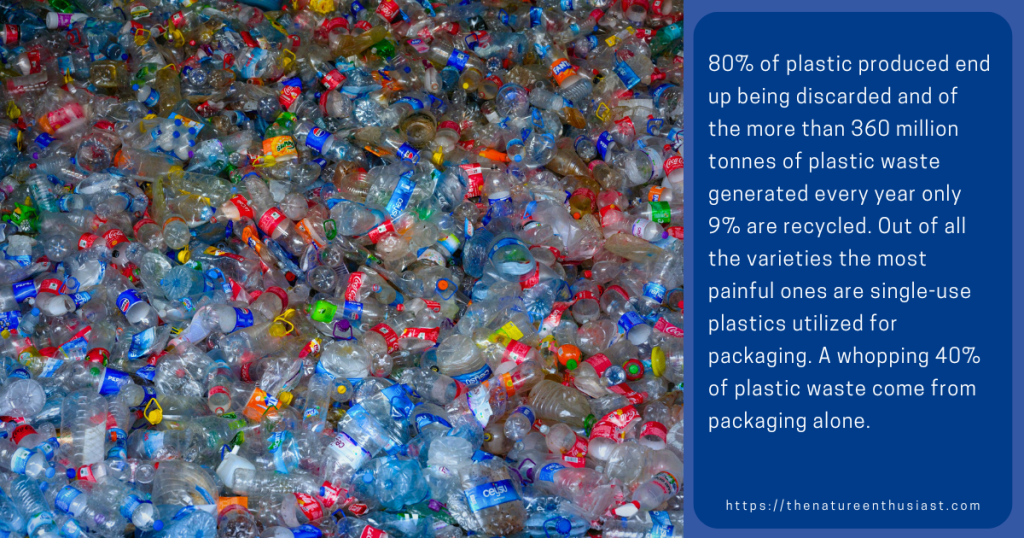
80% of plastic produced end up being discarded and of the more than 360 million tonnes of plastic waste generated every year only 9% is recycled. Out of all the varieties the most painful ones are single-use plastics utilized for packaging. A whopping 40% of plastic waste come from packaging alone. This high rate results from the huge discrepancy between the life of the product packed and the life of the packaging material used. While the product lasts only from days to months the packaging has a much longer life and when discarded take hundreds of years to biodegrade completely or ends up in the oceans threatening marine life-forms.
Most packaging material used are multi-layers of different types of plastics which even after reaching the recycling facility are deemed unsuitable or unfeasible for recycling. Film packaging is made of LDPE (low density polyethylene) which are almost never recycled.
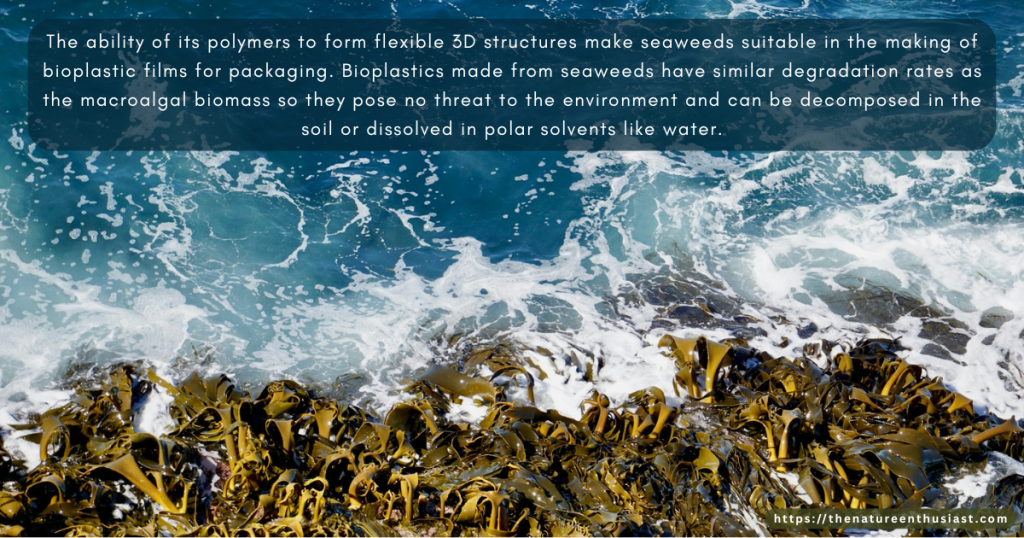
A growing shift towards bio-based, short-lived and less sturdy packaging materials is both welcome and necessary. Seaweeds can come to the rescue here. Hydrocolloids extracted from seaweeds do not require much chemical alteration and can be used as such. The ability of the polymers to form flexible 3D structures make seaweeds suitable in the making of bioplastic films for packaging. Bioplastics made from seaweeds have similar degradation rates as the macroalgal biomass so they pose no threat to the environment and can be decomposed in the soil or dissolved in polar solvents like water.
Seaweed bioplastic films come in two forms – water-soluble films which are mostly used in edible food wraps and water-resistant forms which are used for packaging materials having higher outdoor exposure. With more research, proper modifications and an up-scaling of the production process seaweed bioplastics can completely replace conventional plastics used in product packaging especially single-use plastics which are such a pesky nuisance to the environment.
How sustainable is seaweed-based bioplastic production?
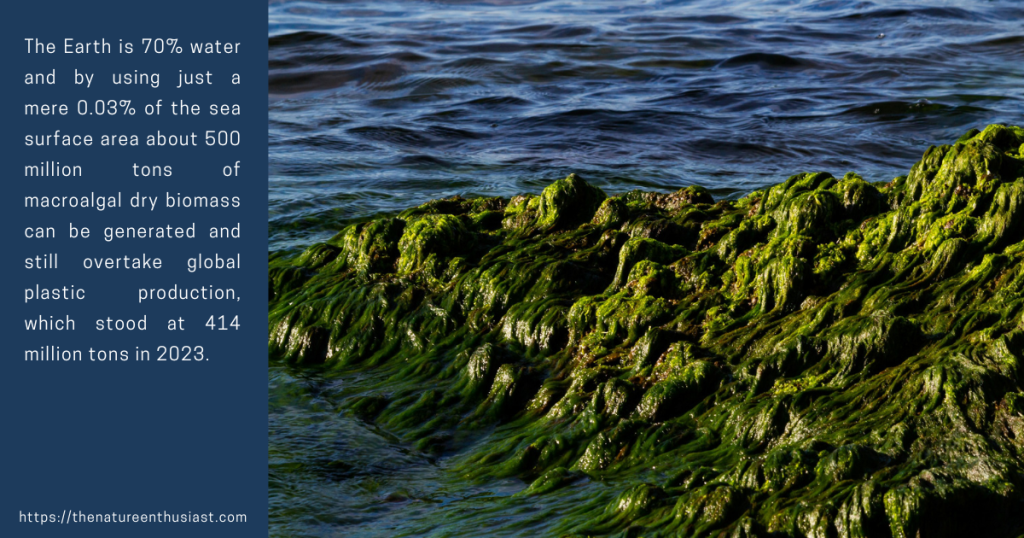
The Earth is 70% water and by using just a mere 0.03% of the sea surface area about 500 million tons of macroalgal dry biomass can be generated and still overtake global plastic production which stood at 414 million tons in 2023. Cultivating seaweeds do not require land or fertilizers so there is no threat of putting pressure on food crop cultivation. Seaweed forests are home to many marine life forms and promises to create a healthy biodiverse community in the region, if harvested sustainably. Seaweeds absorb dissolved carbon dioxide making the surrounding seawater less acidic and eventually sequester atmospheric carbon dioxide returning it as oxygen by photosynthesis. Did you know that marine plants including seaweeds contribute to 70% of the Earth’s oxygen? Amazing, right!
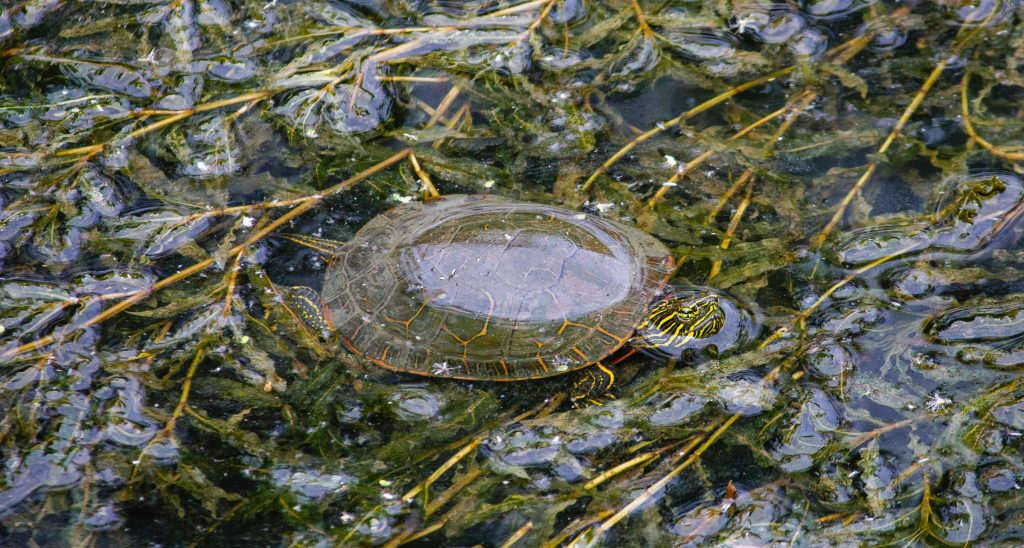
Still, excess of anything is not good. So, seaweeds should be cultivated with responsibility. Heavy growths do not allow sunlight to reach the ocean floor hampering benthic communities and may even tip off the ecological balance of a region.
Unfortunately, many seaweeds are regarded as invasive species and huge masses of dead seaweeds wash up on shores every year adding to the expense of government authorities to clear the coastline of this debris. What if this ‘debris’ could be turned to something valuable? Hang on there! Even dead seaweeds can be used to extract the raw materials used for making seaweed bioplastics.

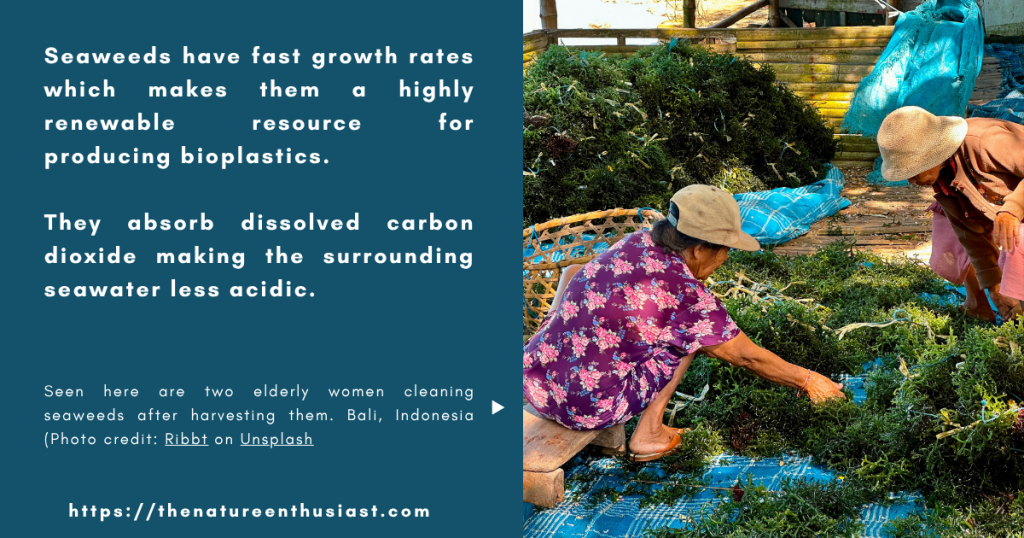
Seaweeds have fast growth rates which makes them a highly renewable resource. The harvesting process is sustainable and there is no shortage in supply of raw materials. Even the carbon footprint is low as green seaweeds sequester atmospheric carbon and produce oxygen via photosynthesis. The extraction and processing of the raw material into the final product is also not energy extensive. In fact, it is more energy efficient than making conventional plastic packaging.
Seaweed bioplastic packaging packs some other additional benefits. Seaweeds have antimicrobial and antioxidant properties which are present in the final product used for packaging. It can thus increase the shelf-life and prevent growth of food borne pathogens when used for packaging food. Biopolymers from seaweeds have photoprotection properties which protects the packaged material against damage by microwave radiation.
And finally, seaweed bioplastics biodegrade in the soil over a short time period and no plastic residues are left in the environment which is the main advantage of using seaweeds to make bioplastics.
How promising are seaweeds at replacing petroleum in the plastic making process?
The main factors impeding the growth of the seaweed bioplastic production is the easy availability and cheap price of petroleum based plastics. To scale up seaweed production and make it more environment friendly cultivation should be shifted from shorelines to the open waters and both technological innovations and expertise in this area are exceptionally lacking. Moreover, it has still not been possible to attain the desirable properties and wide utility of petroleum-based plastics in seaweed bioplastics which should make it a better competitor against conventional plastics. That makes the prior much more admirable and useful if only for the devil of pollution.
But we have had some amazing results so far and the material holds ample promises. The London-based company Notpla has created edible bioplastics to package food items that can degrade within a month and half. The Mak-Pak project has taken some amazing strides in the seaweed bioplastic production domain. Sway creates compostable packaging from seaweeds. Sea6 Energy, a company based in India is working to make biofuel from seaweed biomass and have recently moved into the bioplastic making sector. Agoprene, a Scandinavian start-up demand mention here. They are making furniture foam from seaweeds! So, in the future we shall be sitting on seaweed sofas. Sounds cool!
Research by Gao and team have achieved alginate-based bioplastics with mechanical properties very similar to petroleum-based plastics. The only field where the score needs improvement is the percentage of elongation at break, with the bioplastic they created having an elongation at break score of 3-15% whereas conventional PET score a massive 230% – a point very hard to reach but not completely impossible with further research.
Many new innovations are already in the final research stages waiting to see the light of market while novel ideas are waiting to be unlocked and put to the test in the lab. If every action is taken with a thought for the environment, then the future seems great. With dwindling non-renewable resources demand for alternative and environment friendly resources shall rise. Innovations in sustainable products should carry on with enthusiasm alongside so that when the need arises, we shall be ready with alternatives and that too greener ones.